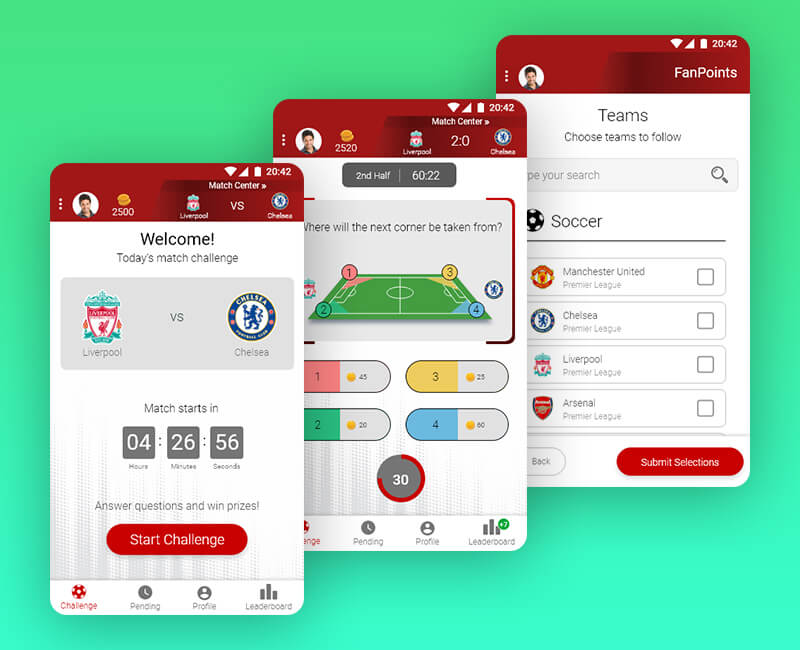
Sport-Quest is a real-time Gamification & Statistics platform designed for sports viewers and fans. The application enhances the live match-watching experience by enabling fans to test their knowledge, predict outcomes, and earn rewards through live trivia and interactive spatial challenges.
In this project:
* Sport-Quest is a generic placeholder title for the app during initial stealth/development stages.
** The project was made in collaboration with the designer Tali Halevy.
To establish a strong foundation for Sport-Quest, a targeted competitive analysis and UX audit were conducted across sports applications, real-time trivia platforms, and gamified experiences. The analysis evaluated navigation patterns, rapid-interaction models, real-time feedback mechanisms, and spatial UI layout strategies during live broadcasting events.
By benchmarking dozens of live quiz and sports interaction patterns, design decisions were refined - adopting high-velocity, low-friction input models while discarding cluttered dashboards and high-cognitive-load mechanics that distract users from the live match.
Main Flow & User Context:
The application was designed as an integrated "second-screen" experience for live sports broadcasts. To support users multitasking between a TV screen and a mobile device, the flow prioritizes high-velocity, low-cognitive-load interactions that allow rapid decision-making without disrupting the viewing experience.
Key Design Considerations:
To ensure usability under constrained live-viewing conditions, the layout emphasizes clear visual hierarchy, large touch targets, real-time feedback loops, and minimal textual clutter across every step of the journey.
Core User Actions & Interactions:
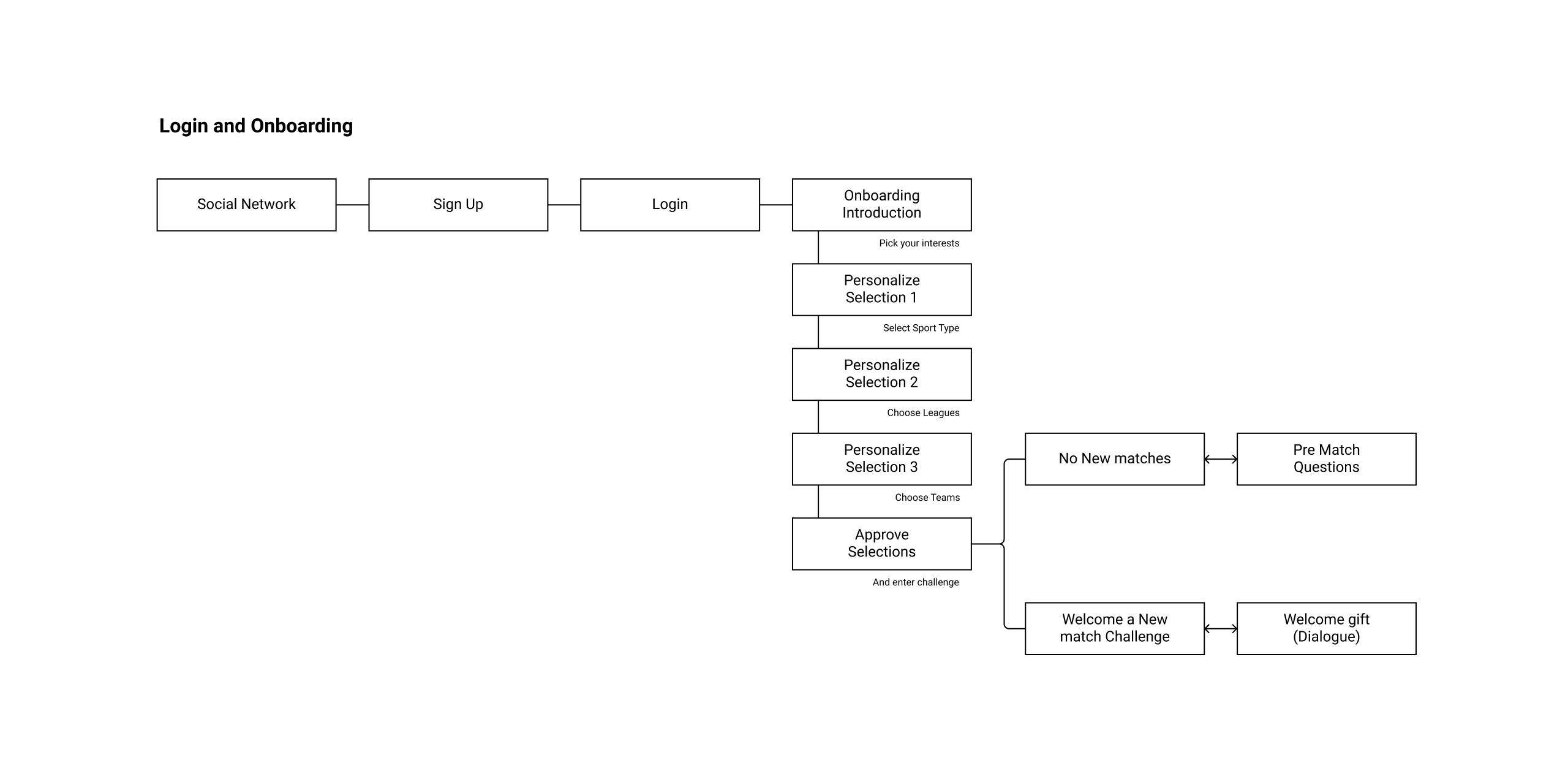
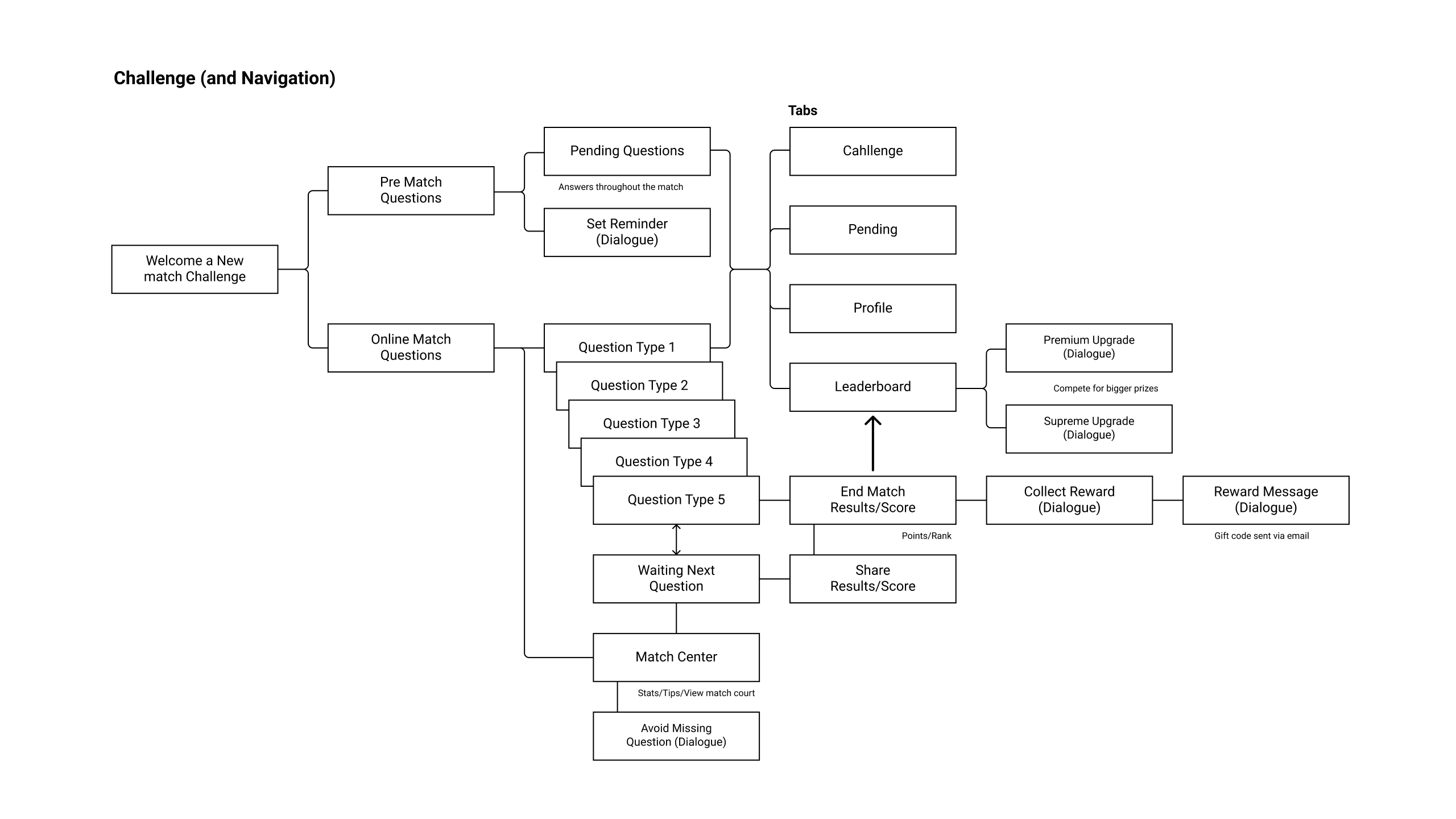
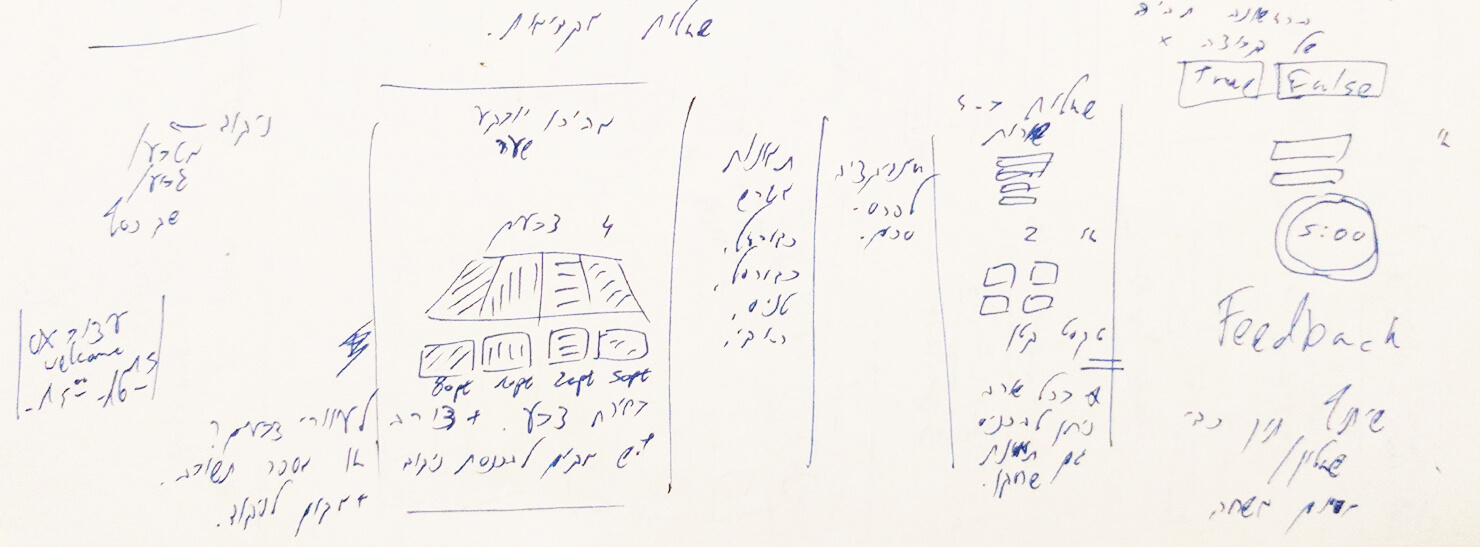
Following user research and flow definition, the conceptual model was translated into low-fidelity wireframes and structural sketches. This stage focused on mapping every user journey step to a dedicated screen architecture - positioning core UI modules, interactive trivia widgets, and feed elements in various screens.
By prioritizing spatial layout and information hierarchy before applying visual design, the wireframes ensured optimal touch-target placement and frictionless navigation - essential for rapid decision-making in a live, second-screen environment.
The Sport-Quest wireframes illustrate the initial layout iterations for the onboarding, live-match feed, and interactive quiz screens - forming the foundation for the app's overall usability.


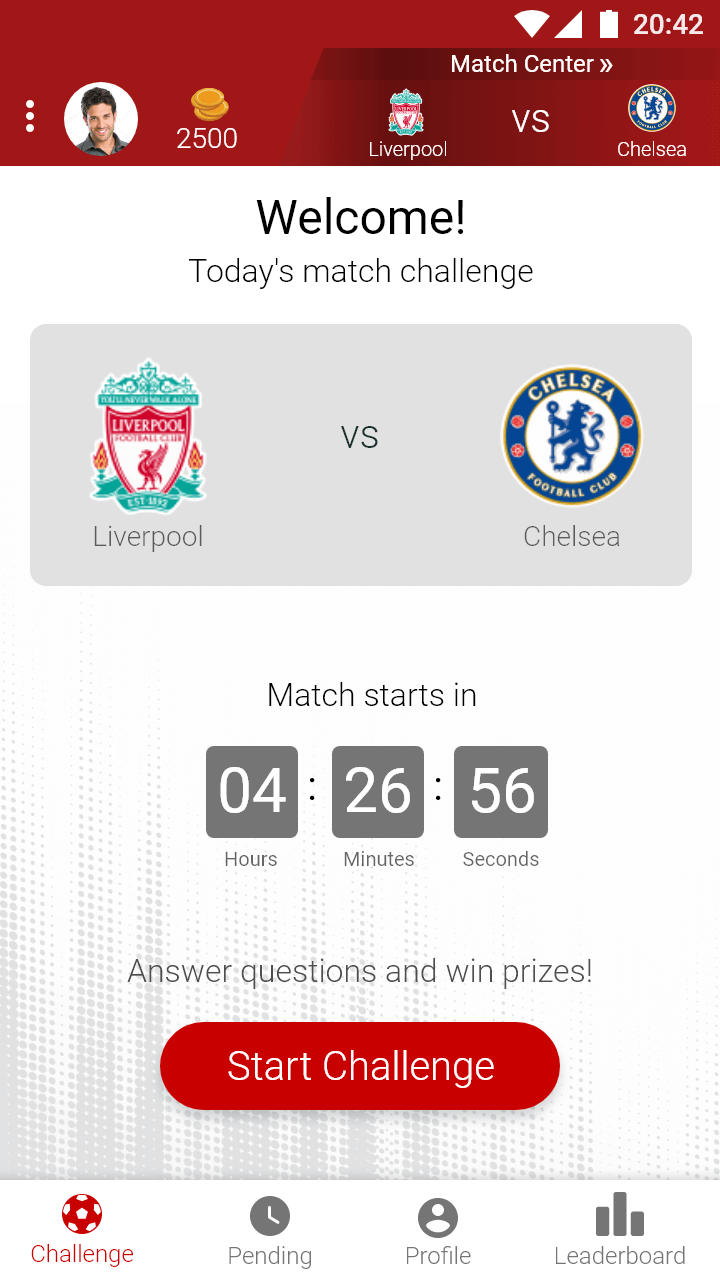
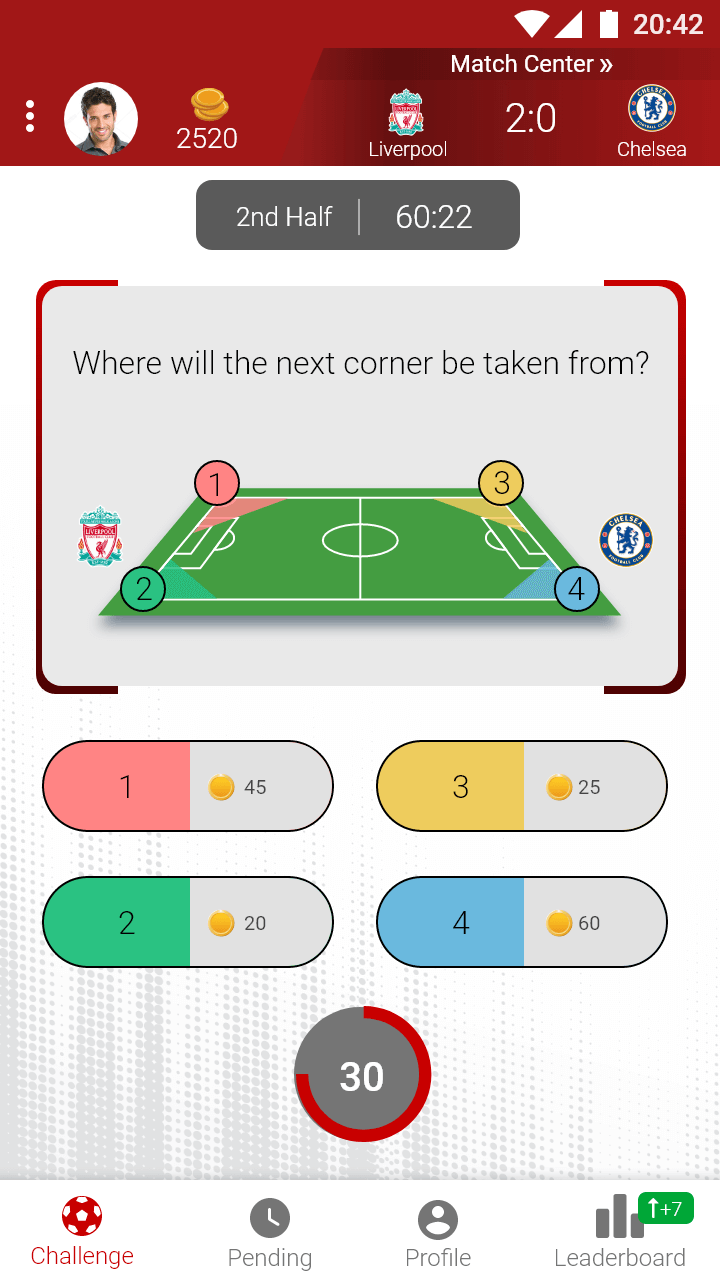
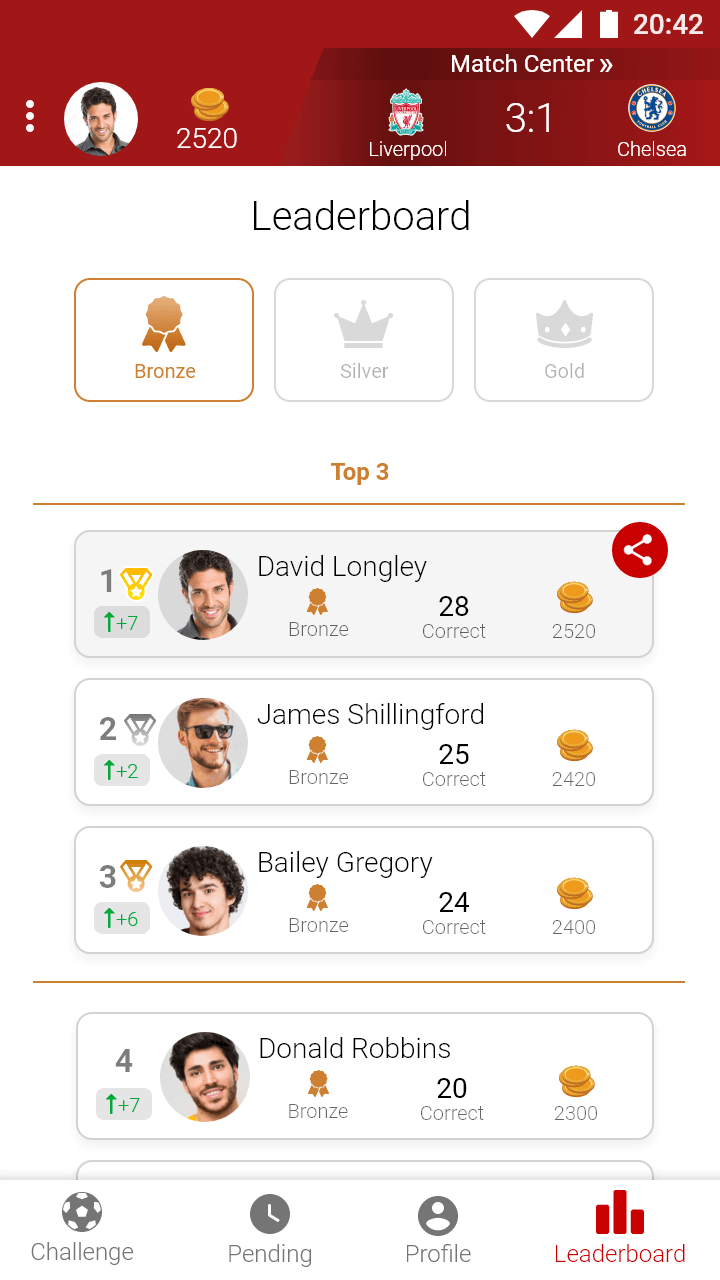
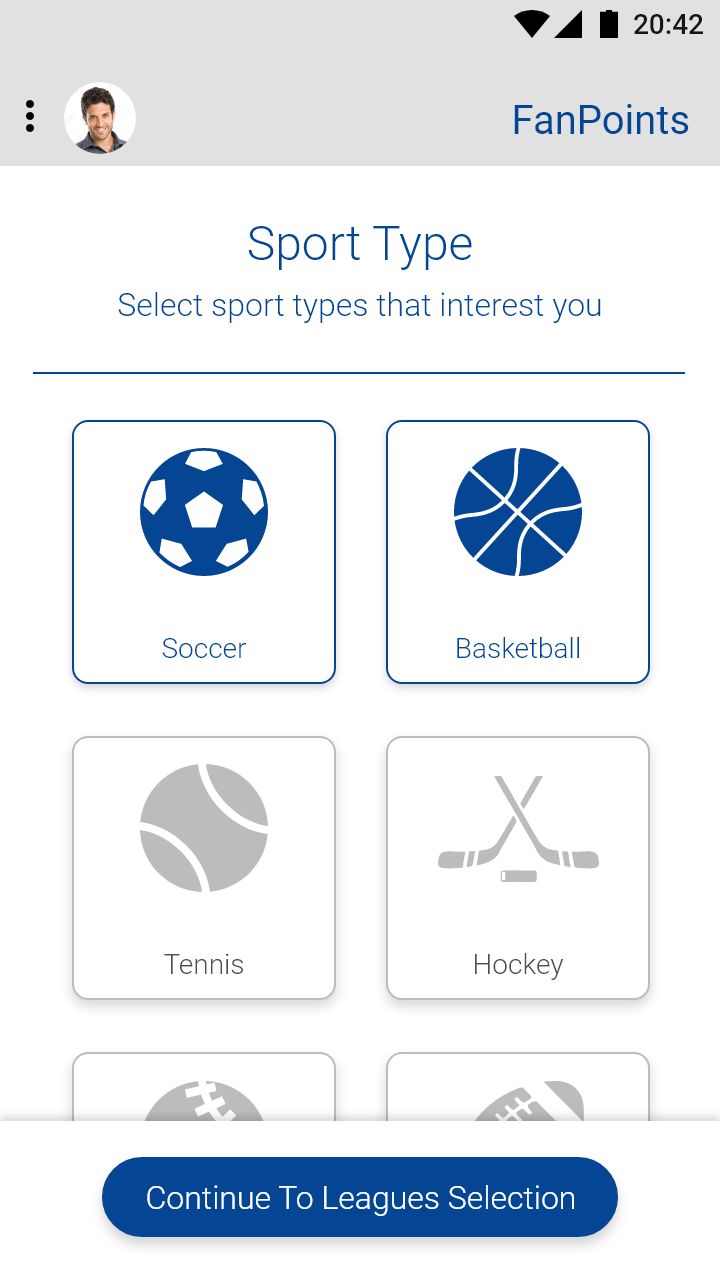
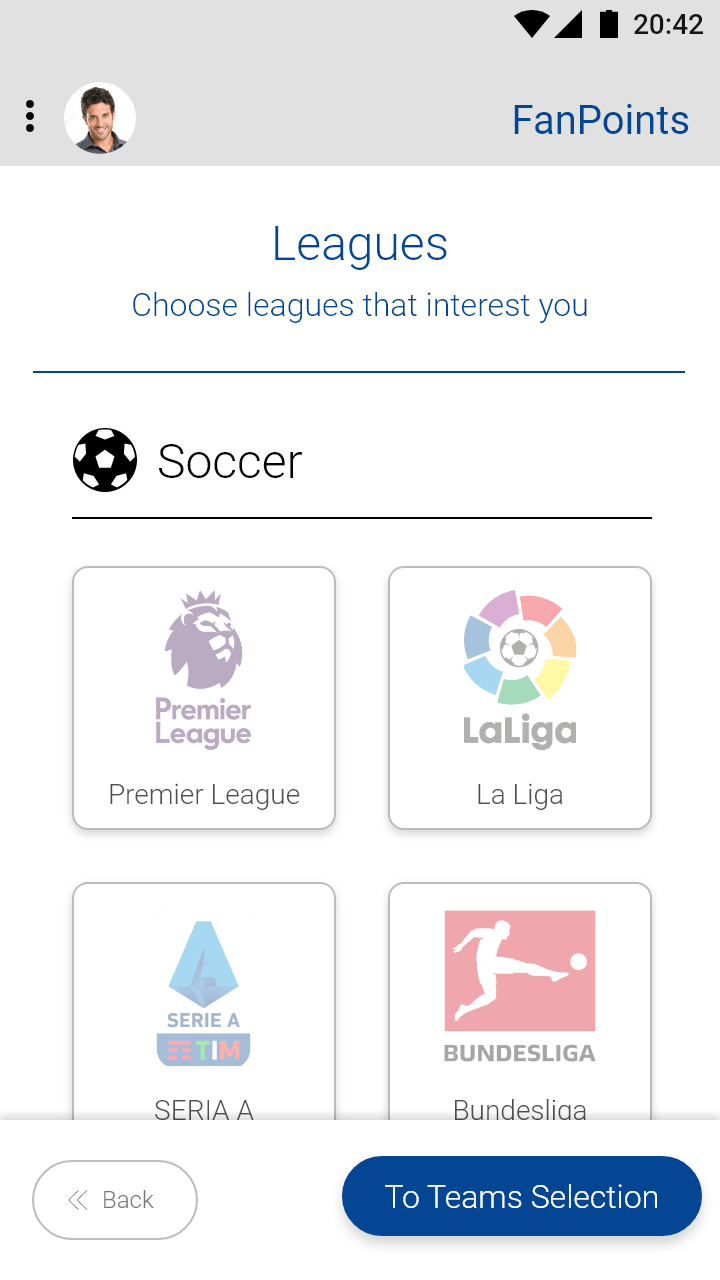
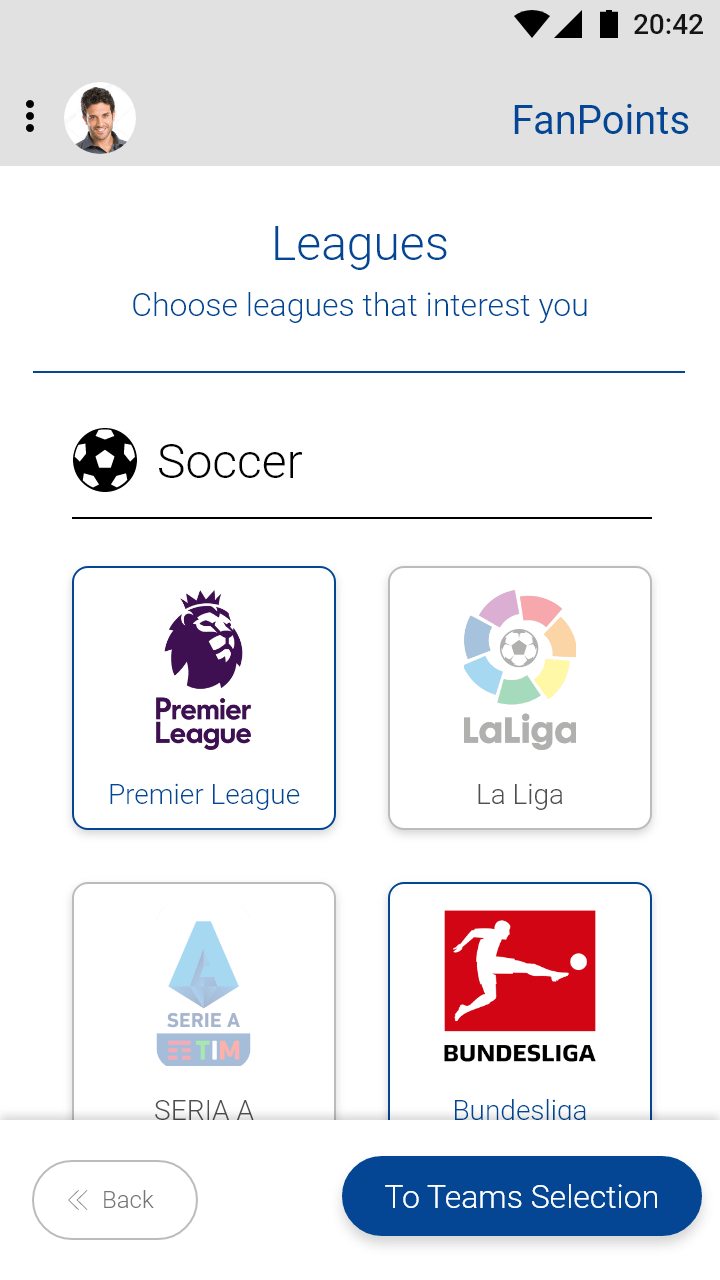
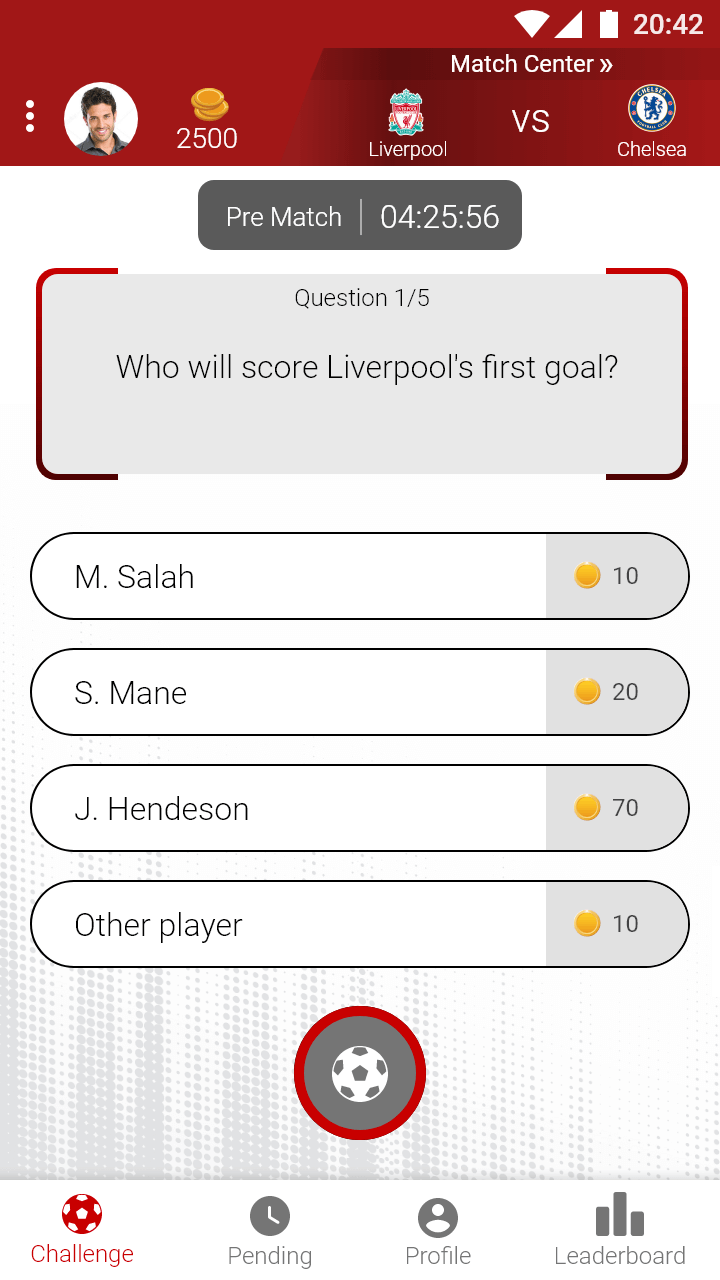
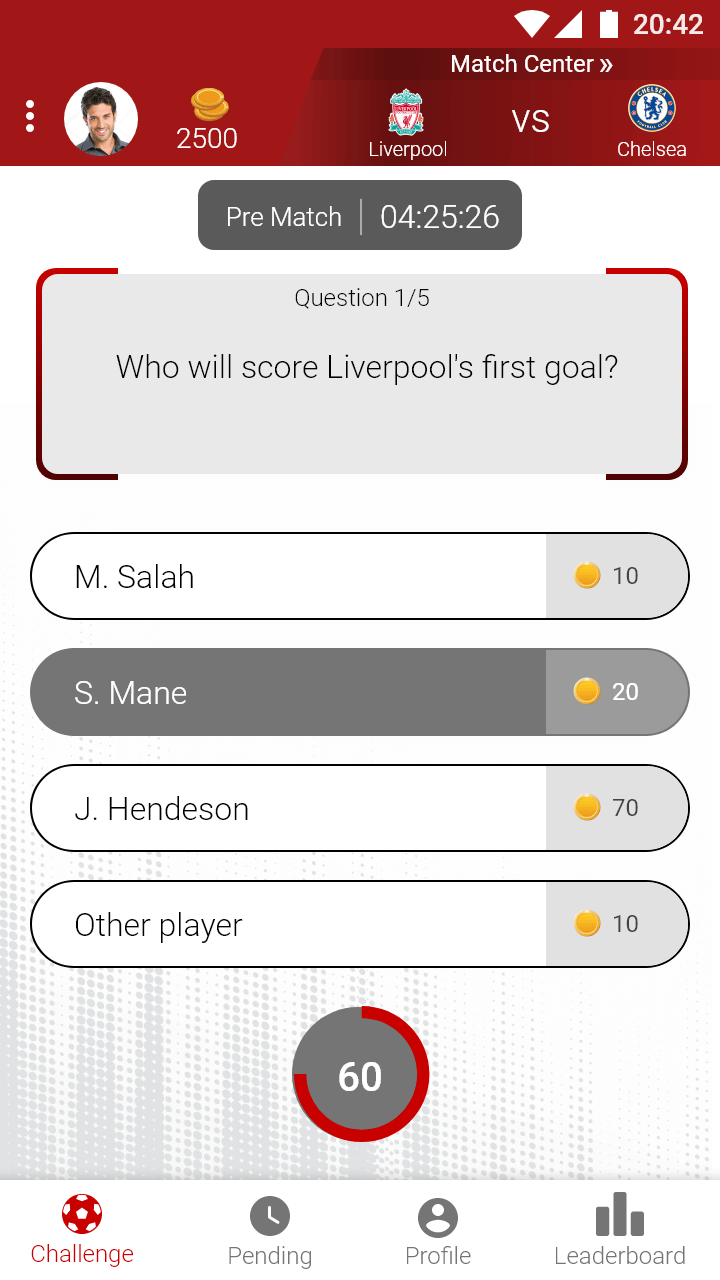
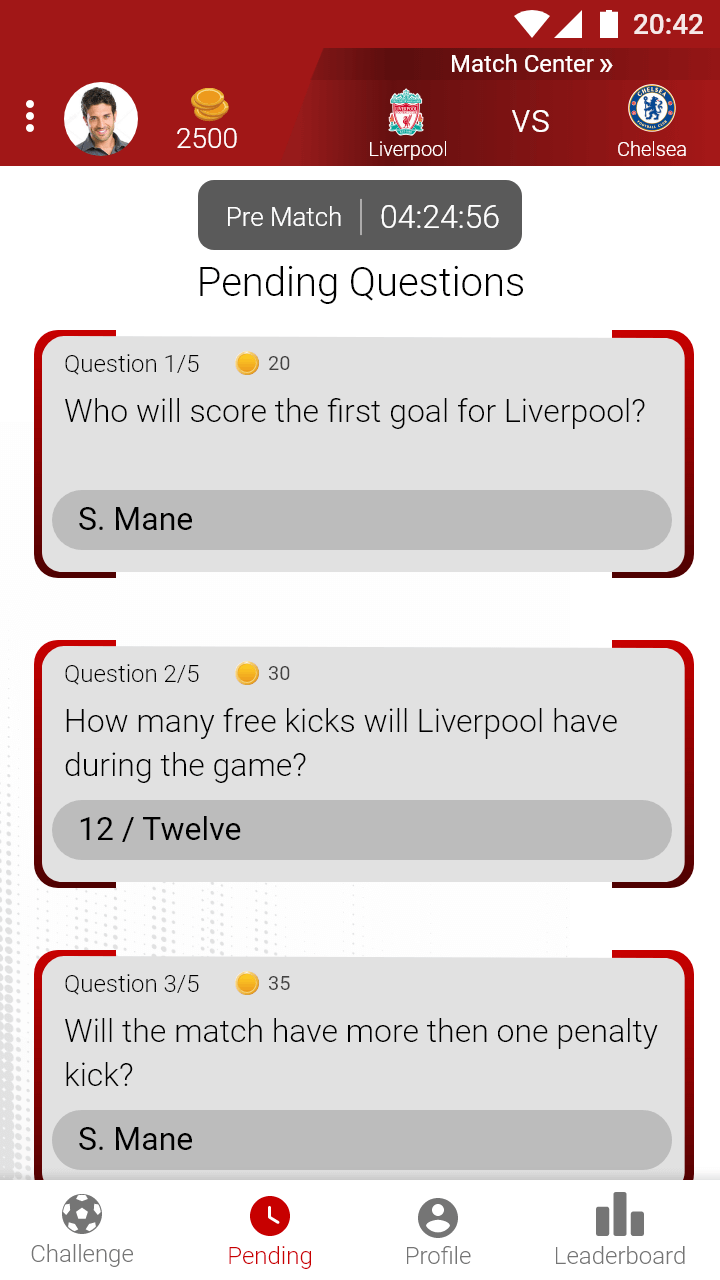
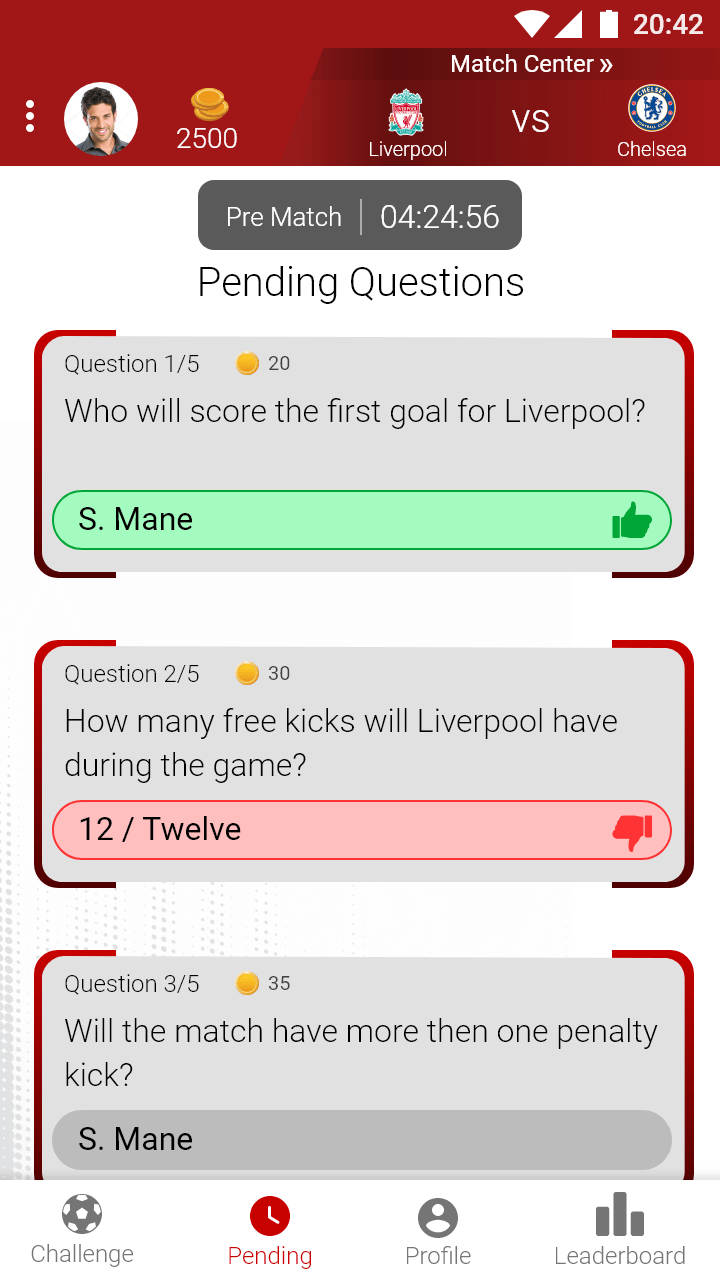
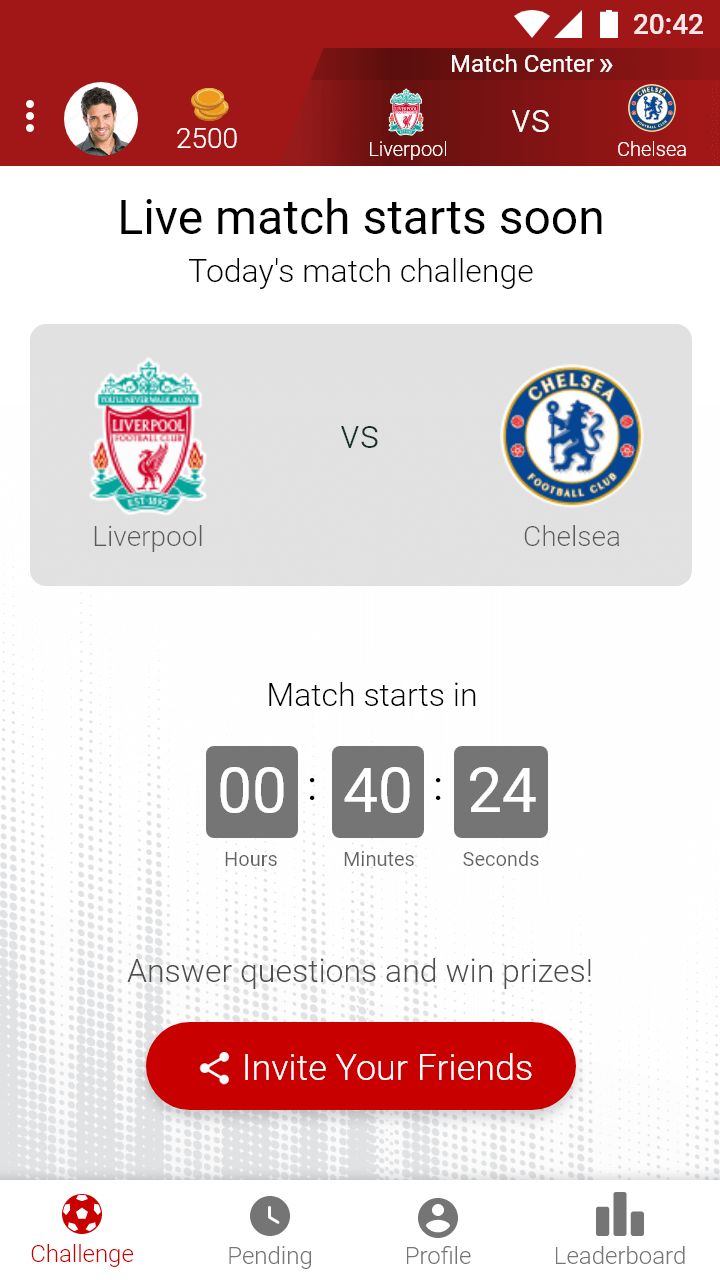
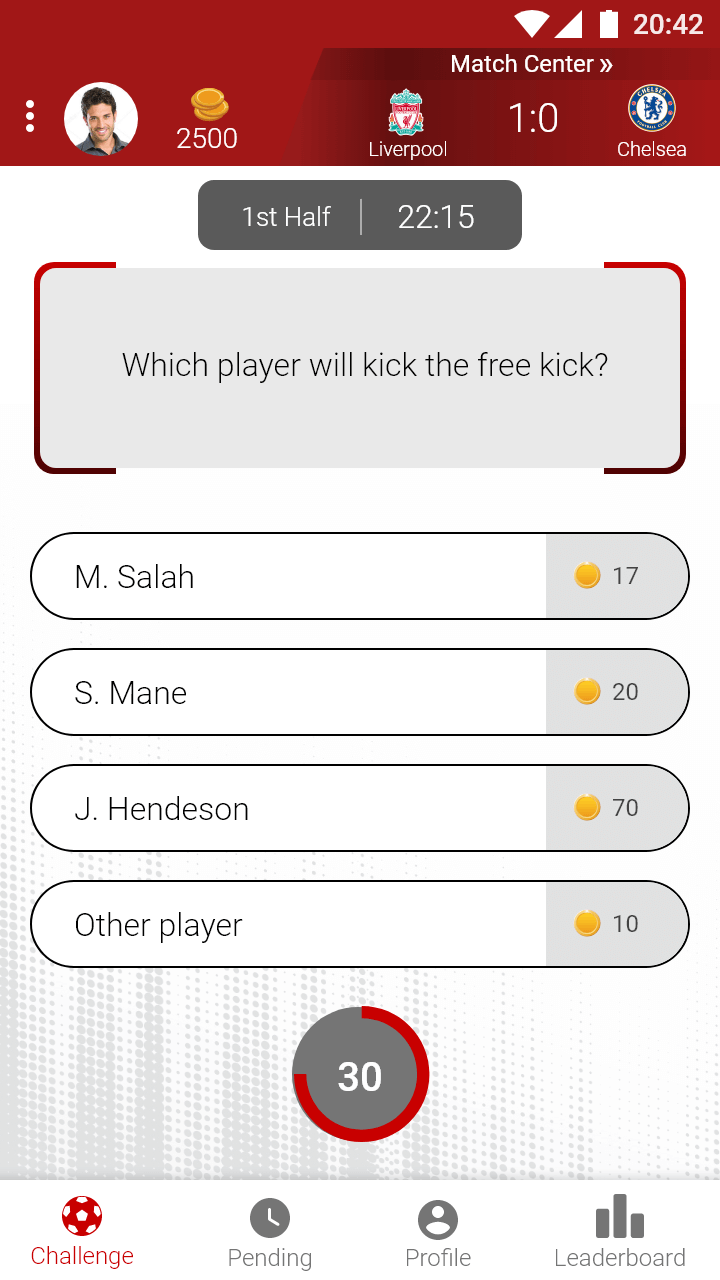
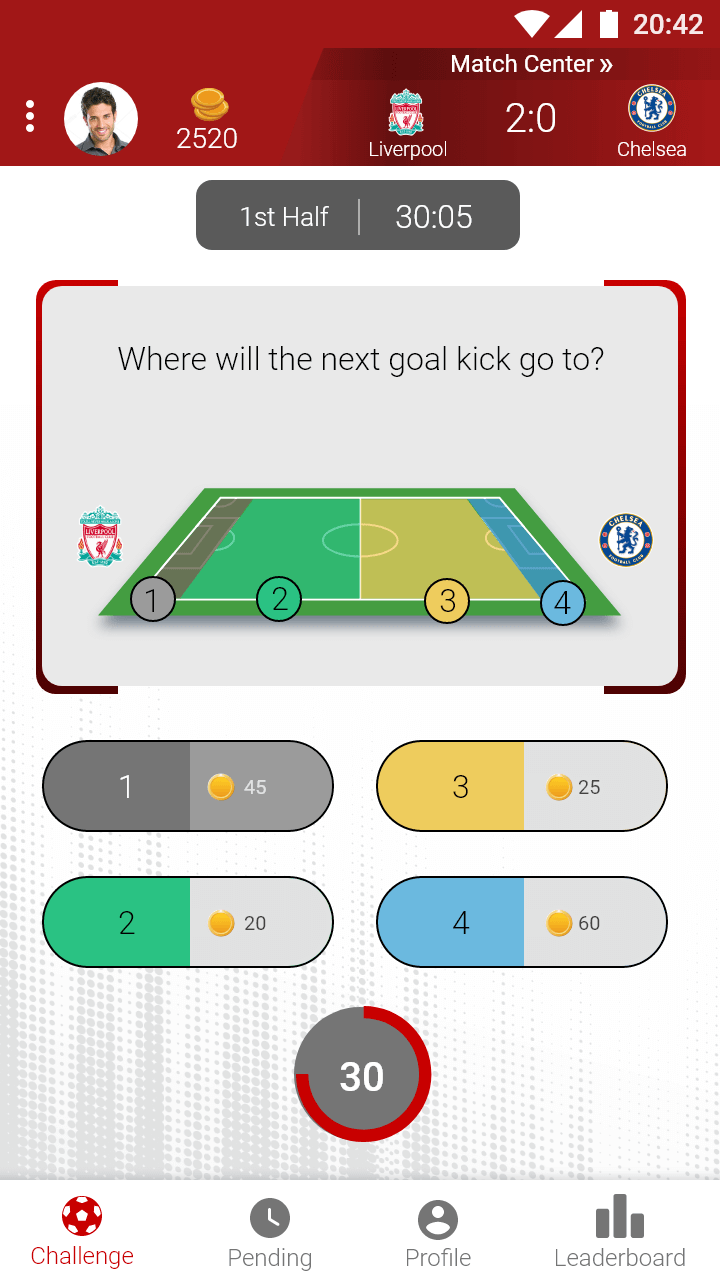
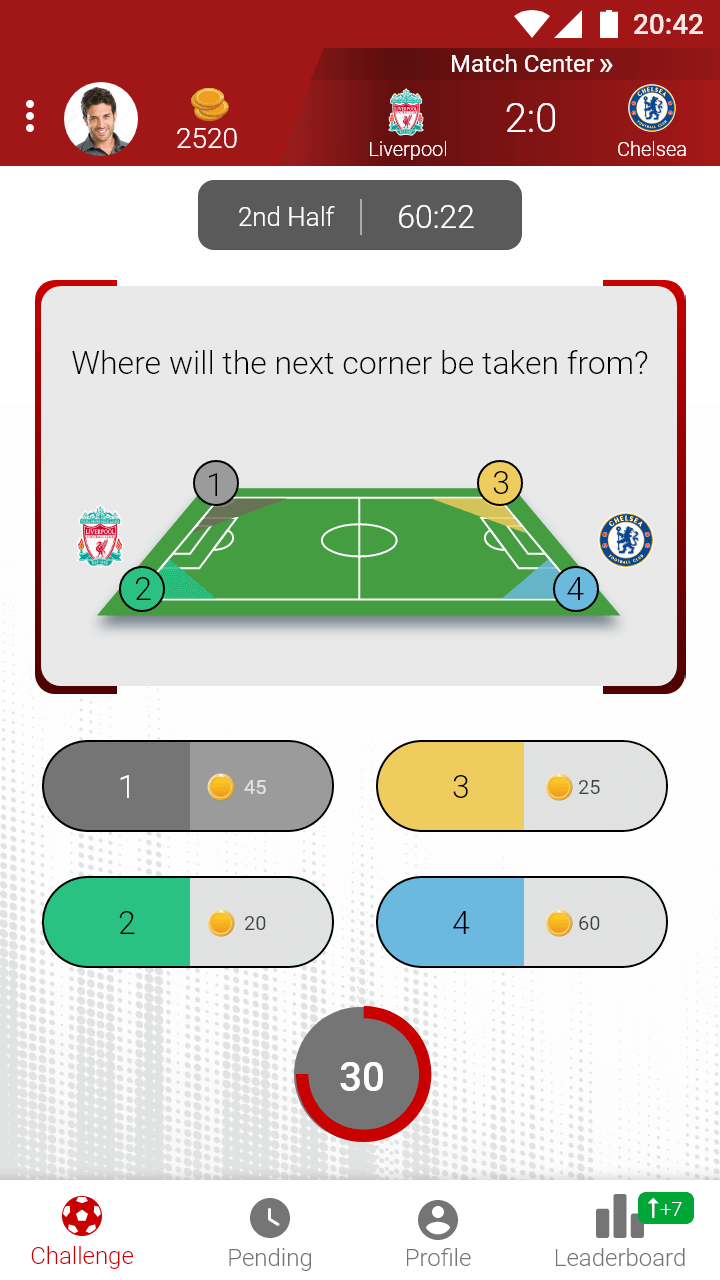
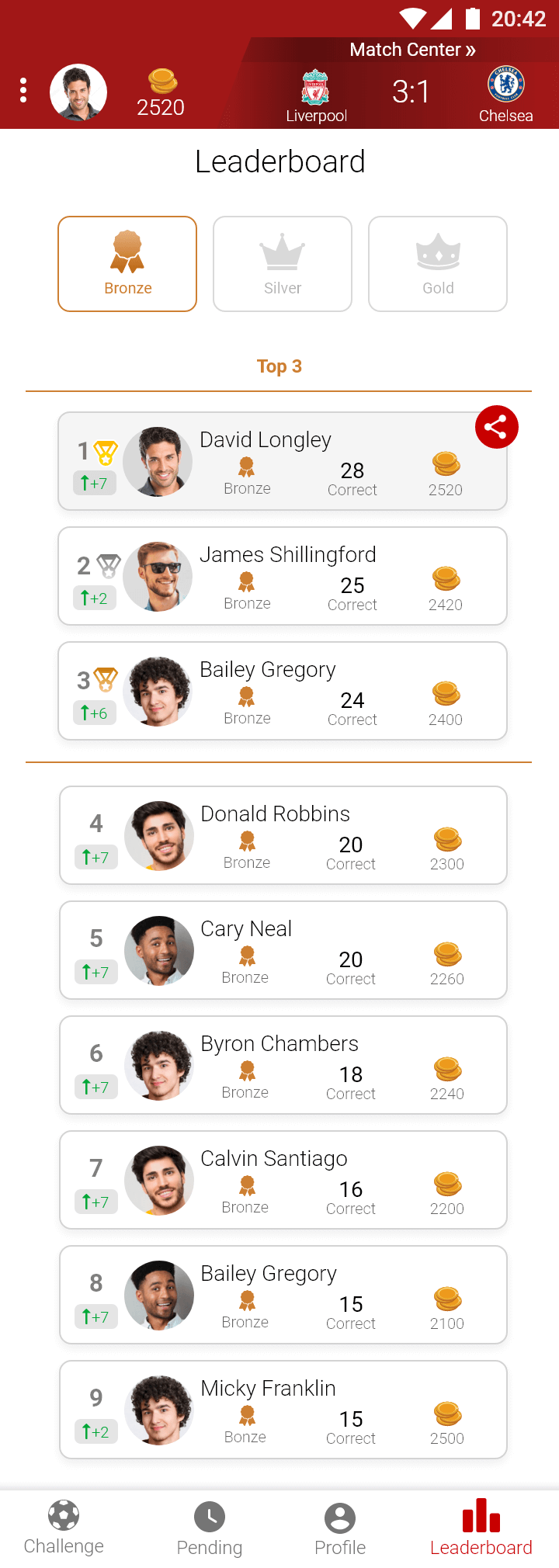
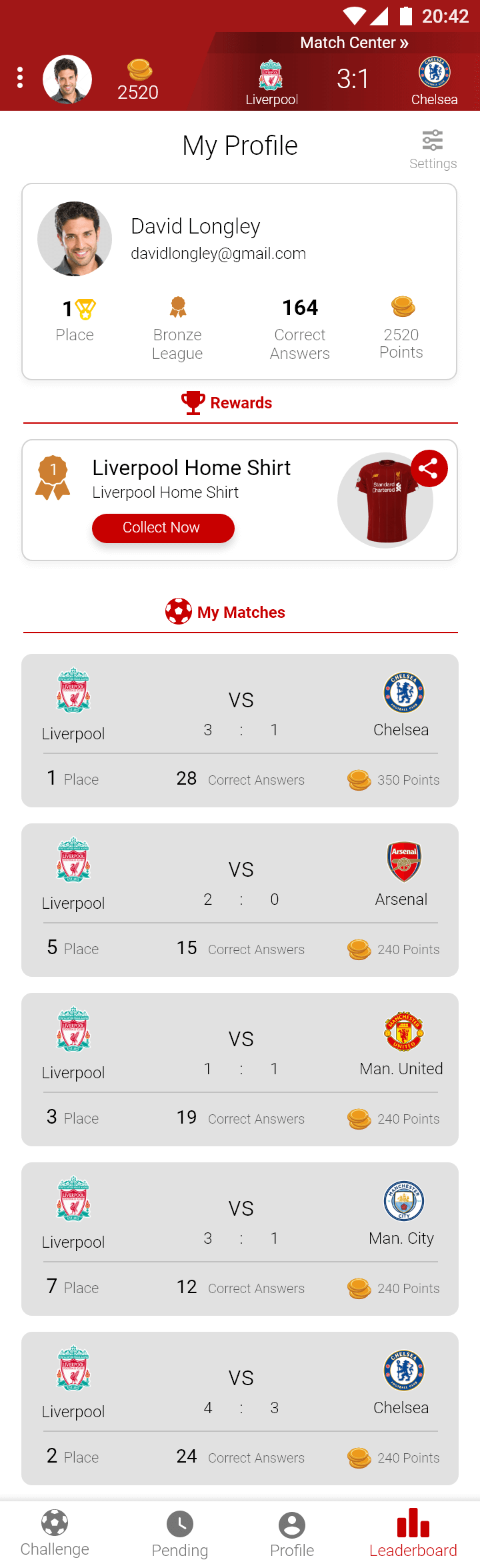
Following the research analysis, user story mapping, and wireframing phases, the conclusions were translated into high-fidelity UI mockups and interactive prototypes. This stage focused on applying a cohesive visual identity, responsive component structure, and energetic color palette to transform structural wireframes into an engaging sports experience.
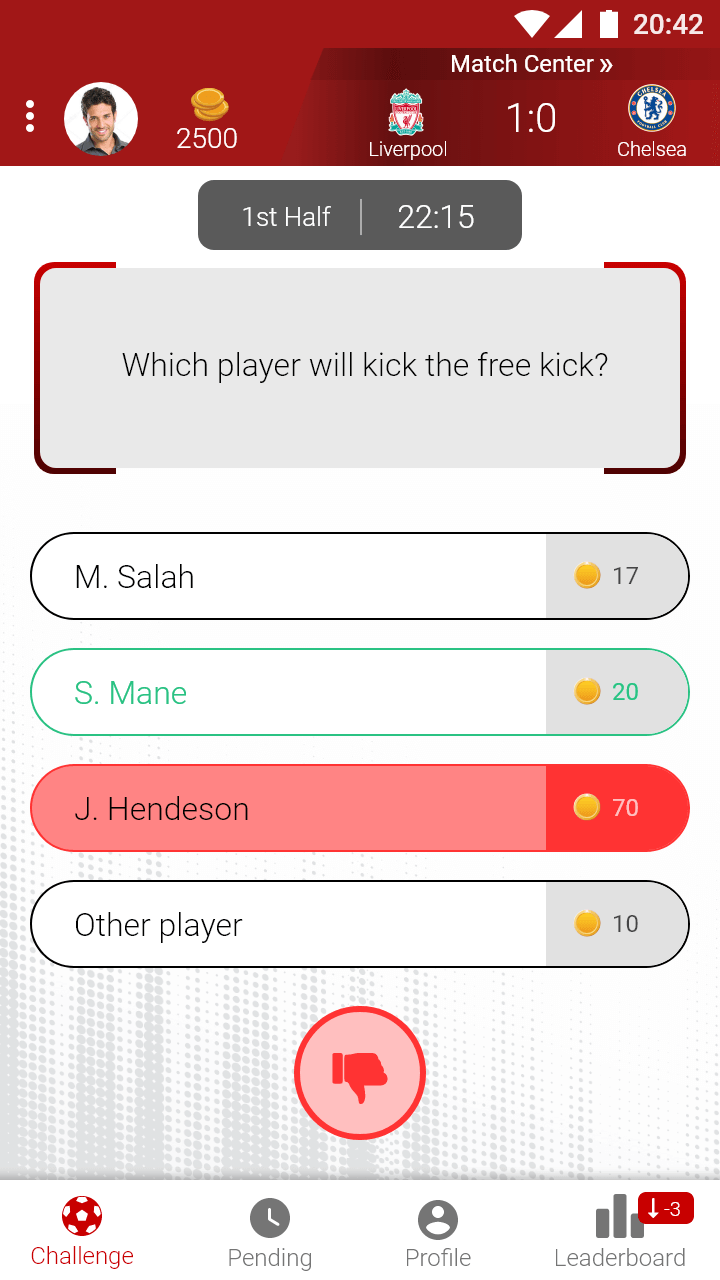
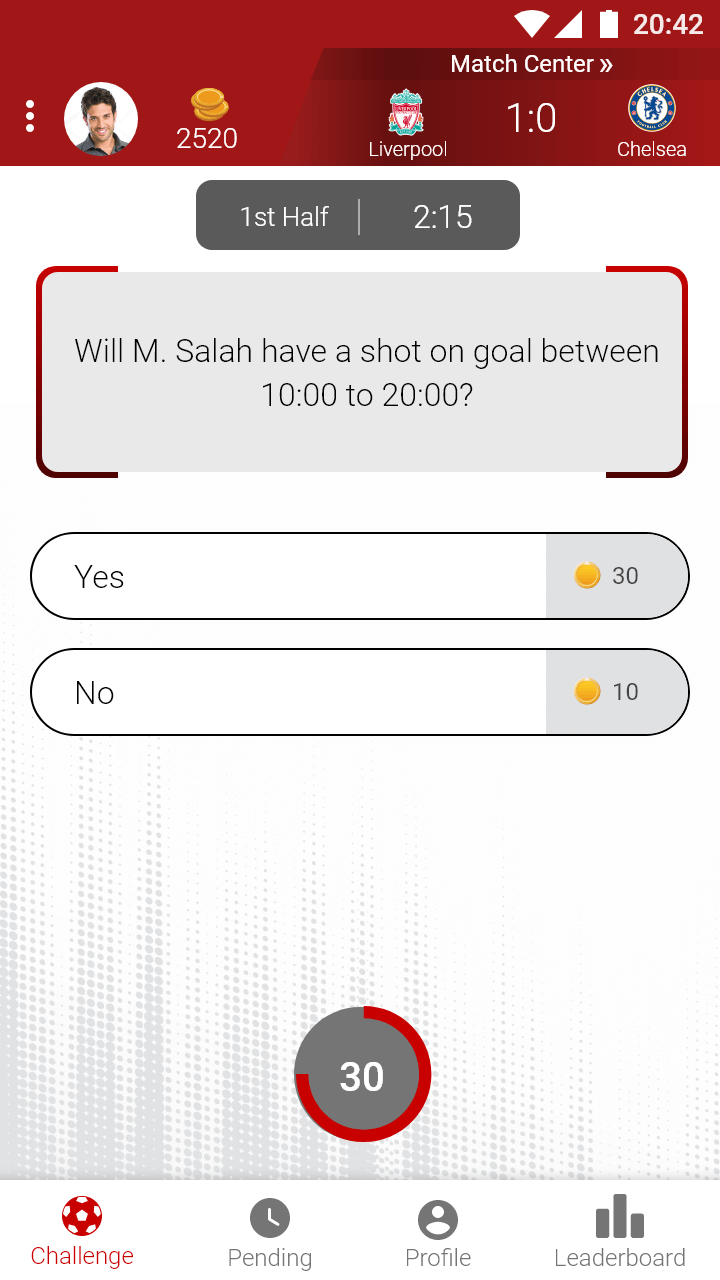
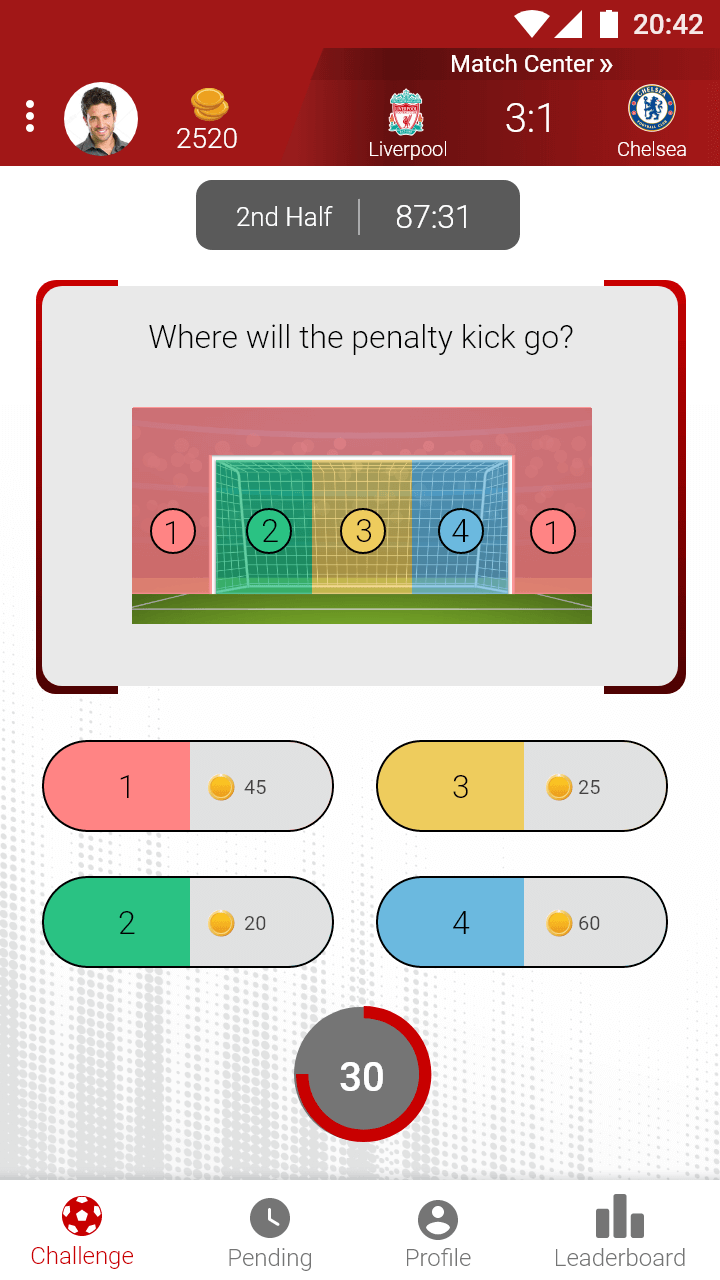
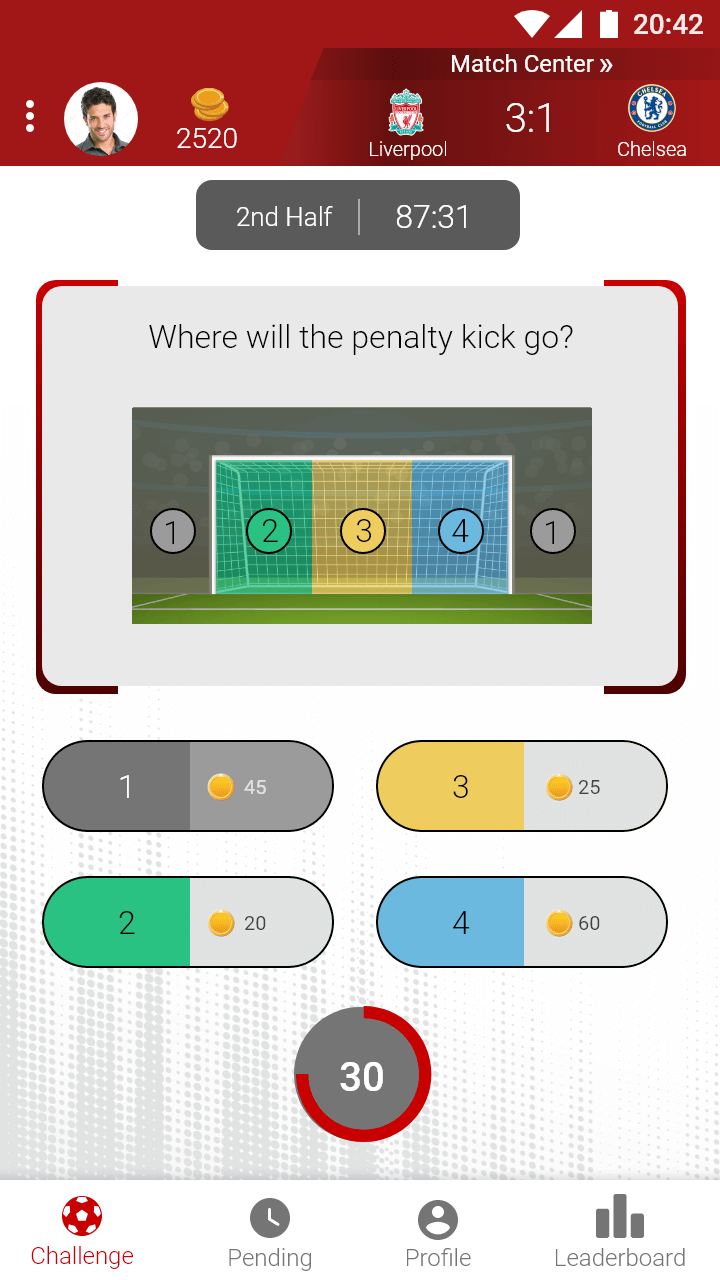
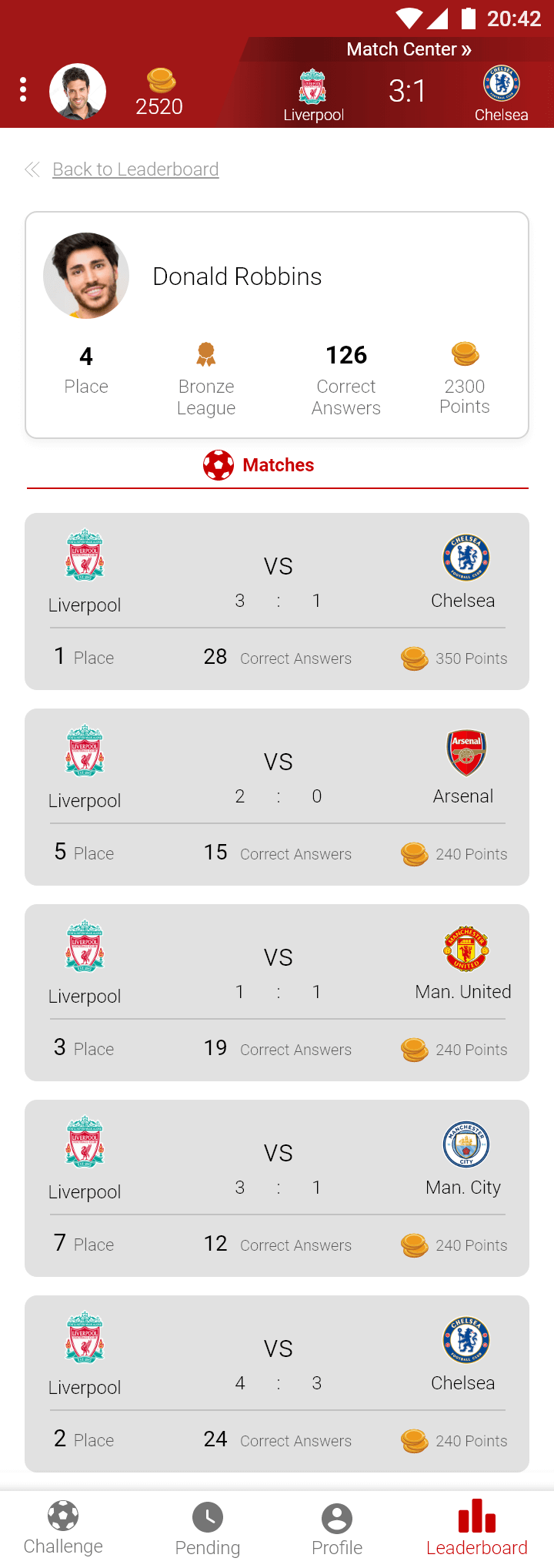
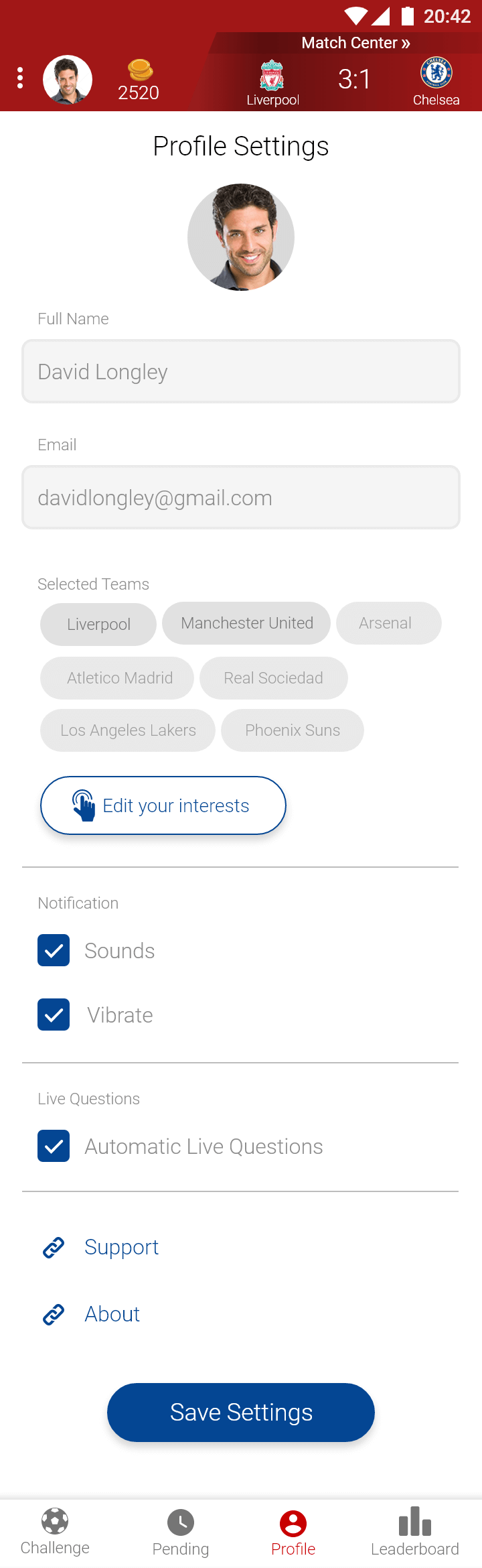
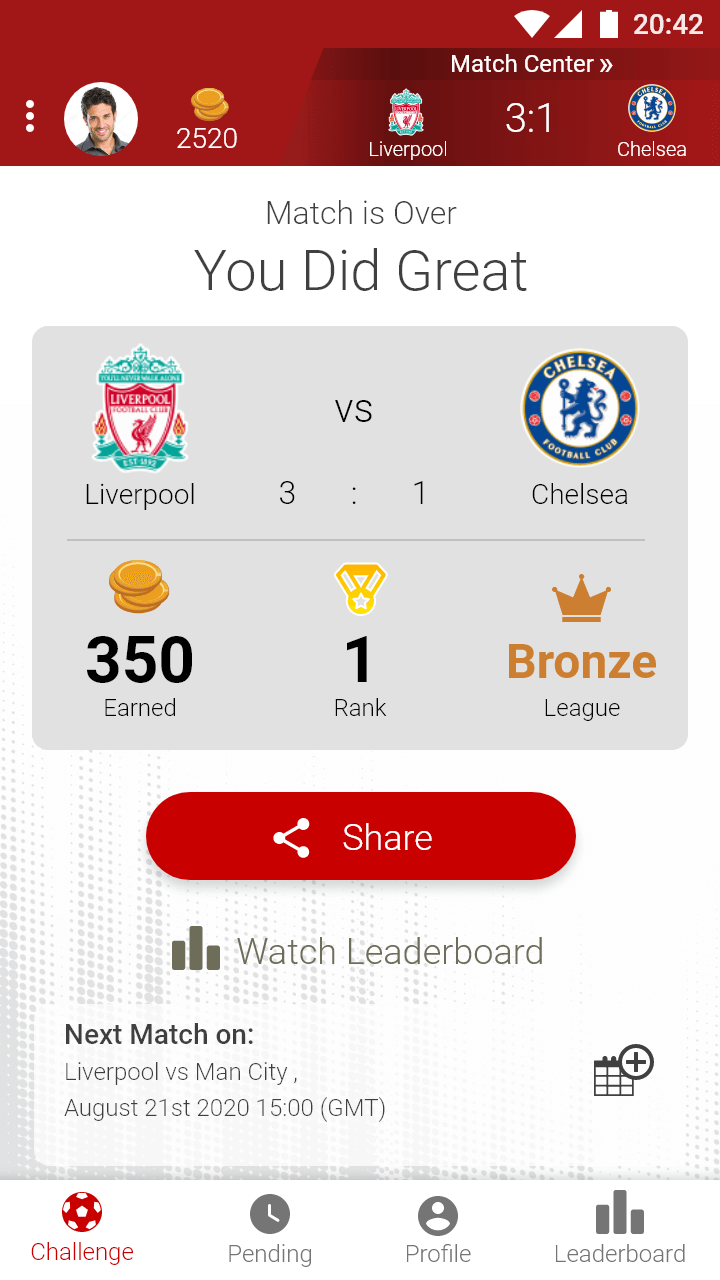
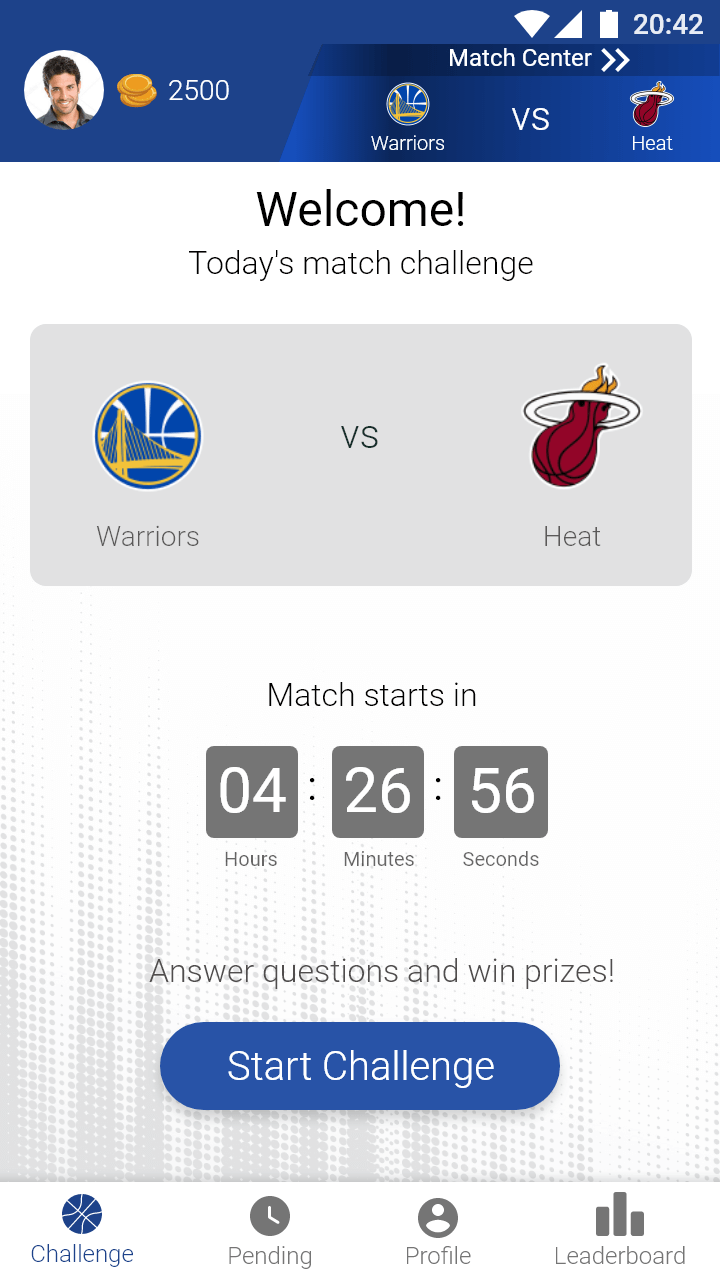
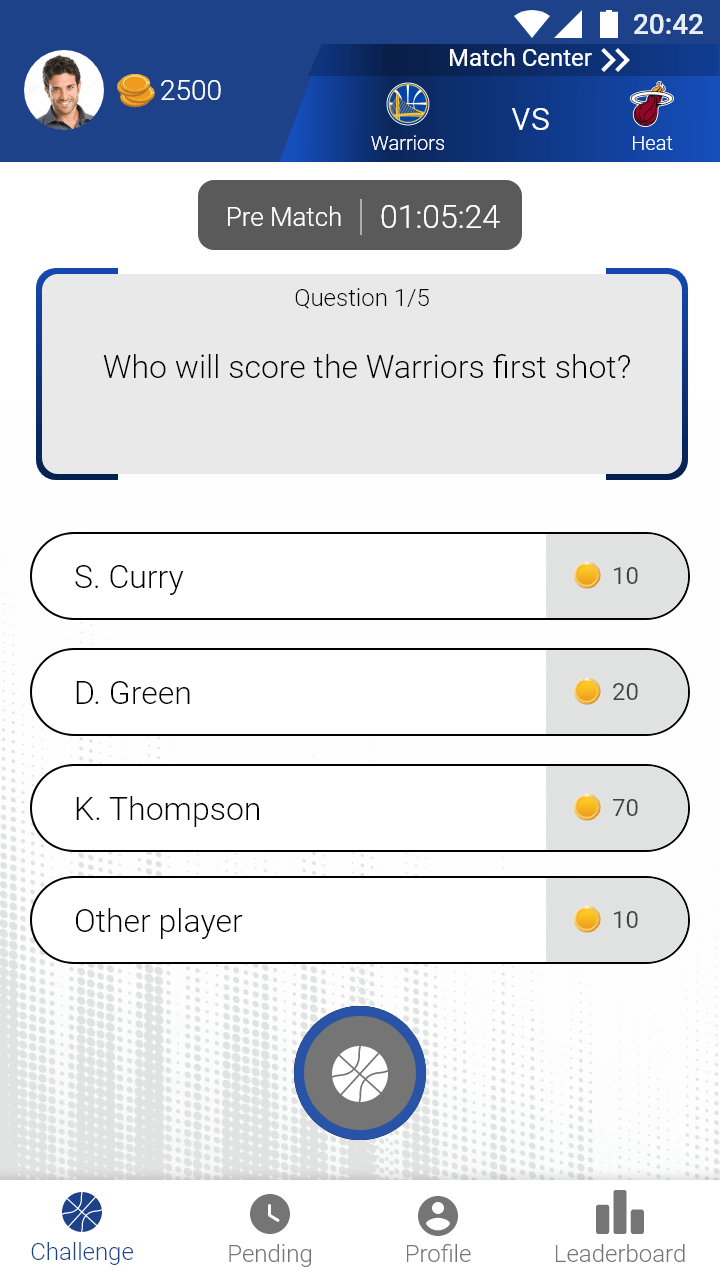
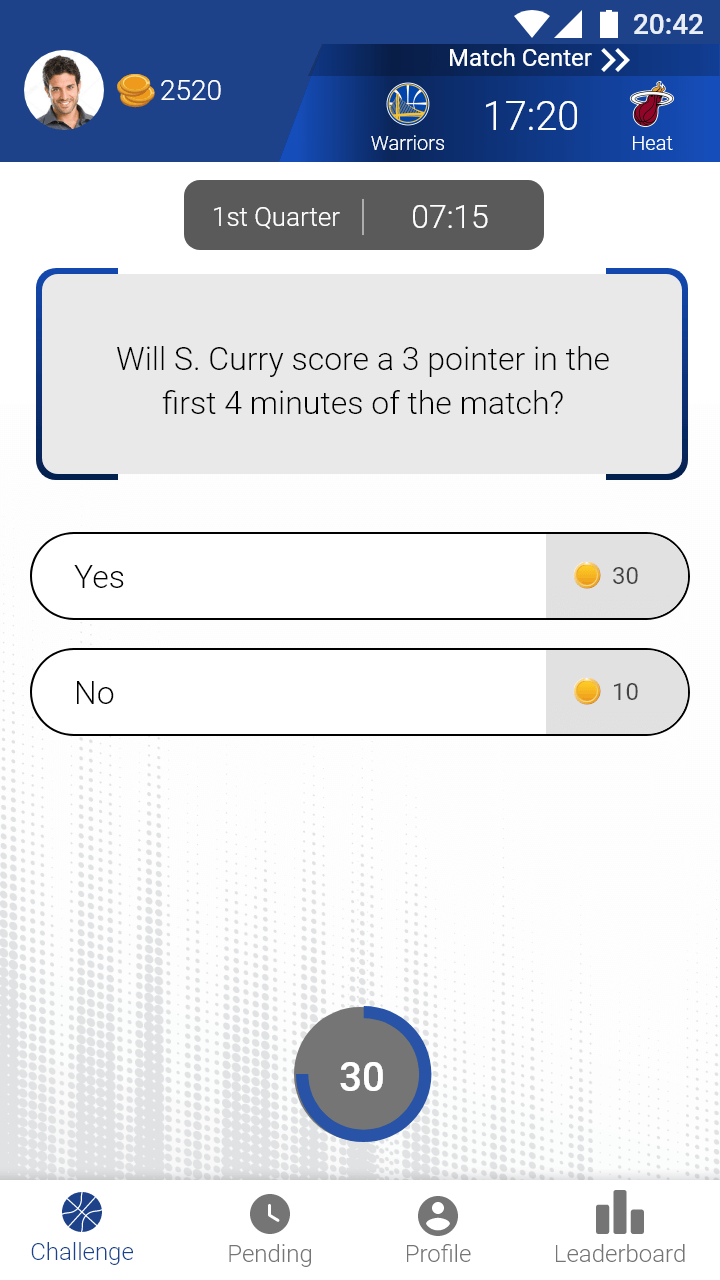
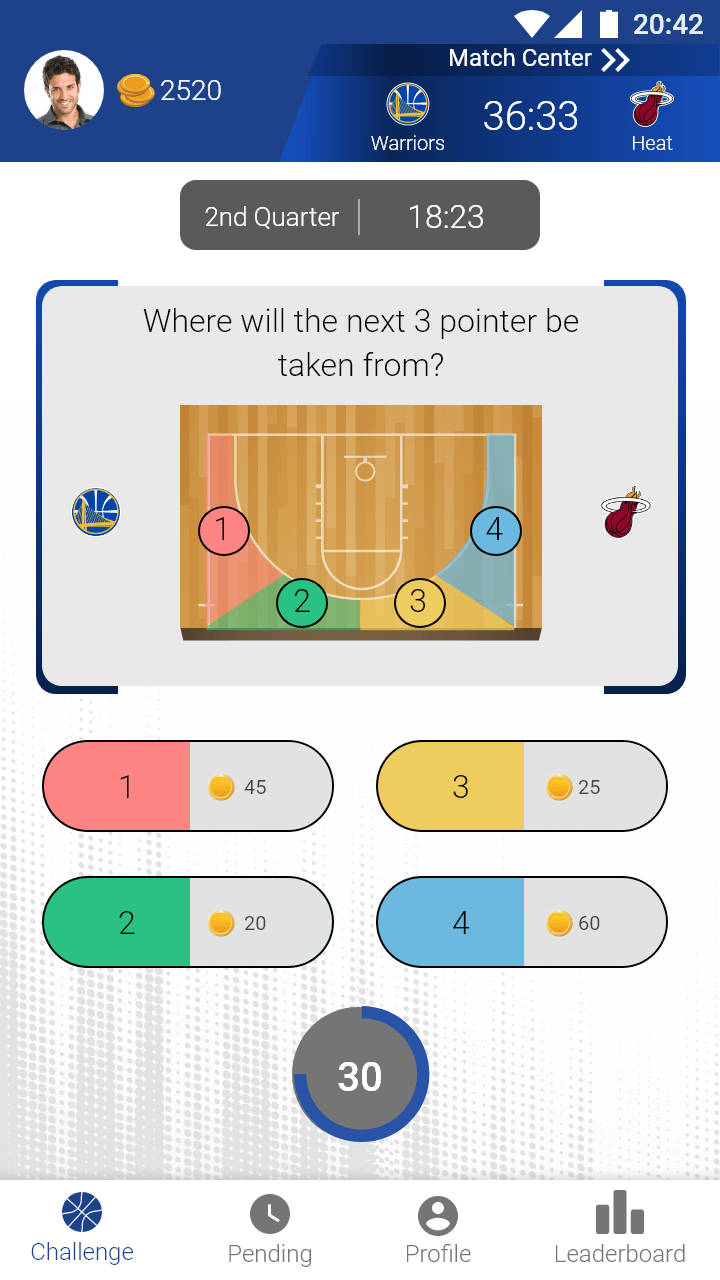
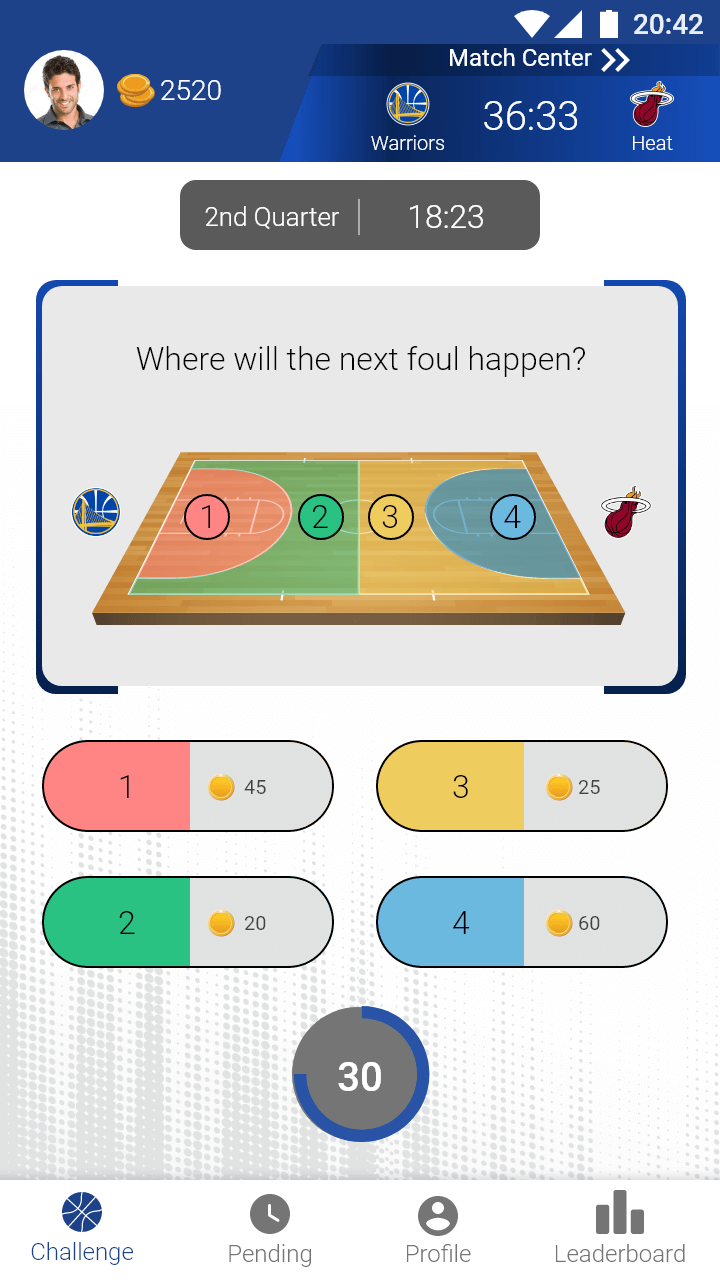
The resulting UI design delivers tailored interaction models across key touchpoints - from personalized onboarding and pre-match quiz hubs to real-time spatial pitch questions and dynamic leaderboard standings - ensuring high readability and rapid interaction for live-viewing environments.






Discover additional case studies