Breezometer Mobile Web-App Redesign Concept
Led the end-to-end UX/UI redesign for the B2C Mobile and Desktop web app platforms. This involved driving a design lifecycle - from discovery and wireframing to high-fidelity mockups and prototypes - to improve website engagement, stickiness, and industry design standards. By collaborating closely with Product Management, Research, and R&D, the feature roadmap was upgraded to reduce cognitive load while HTML/CSS experience was planned to ensure seamless developer handoff and QA.
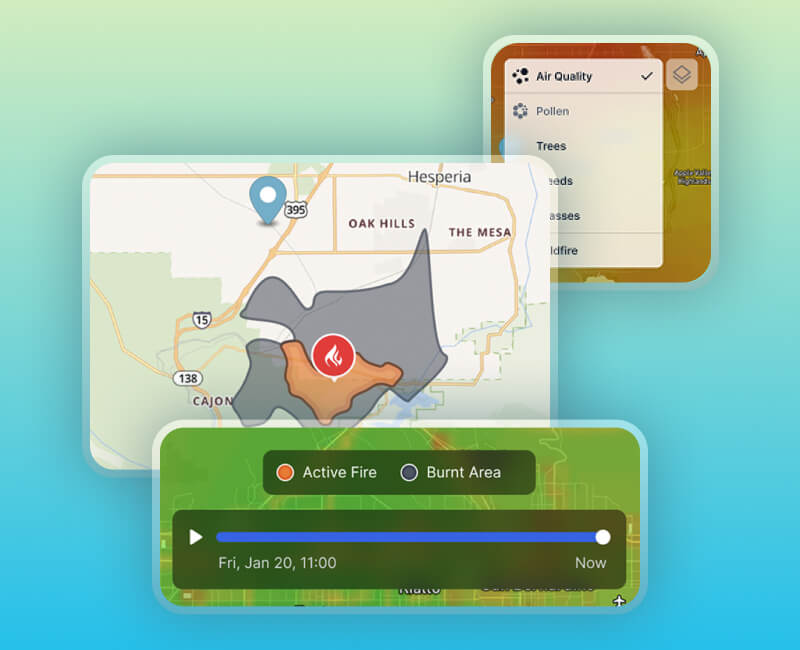
BreezoMeter pioneered unique air quality and pollen heat map models alongside a wildfire polygon feature. A transformative milestone occurred in 2020 through a partnership with Apple, which integrated attribution links within the Apple Weather app. This collaboration resulted in tens of millions of visitors entering the BreezoMeter web app from all over the world.
The platform serves a diverse global audience, primarily within the 18-34 age group, with significant reach in the US, Germany, Japan, and Canada. The web app maintains 1.5 million Monthly Active Users (MAU) who rely on the platform for air quality insights, news, and scientific data regarding wildfires and environmental hazards.
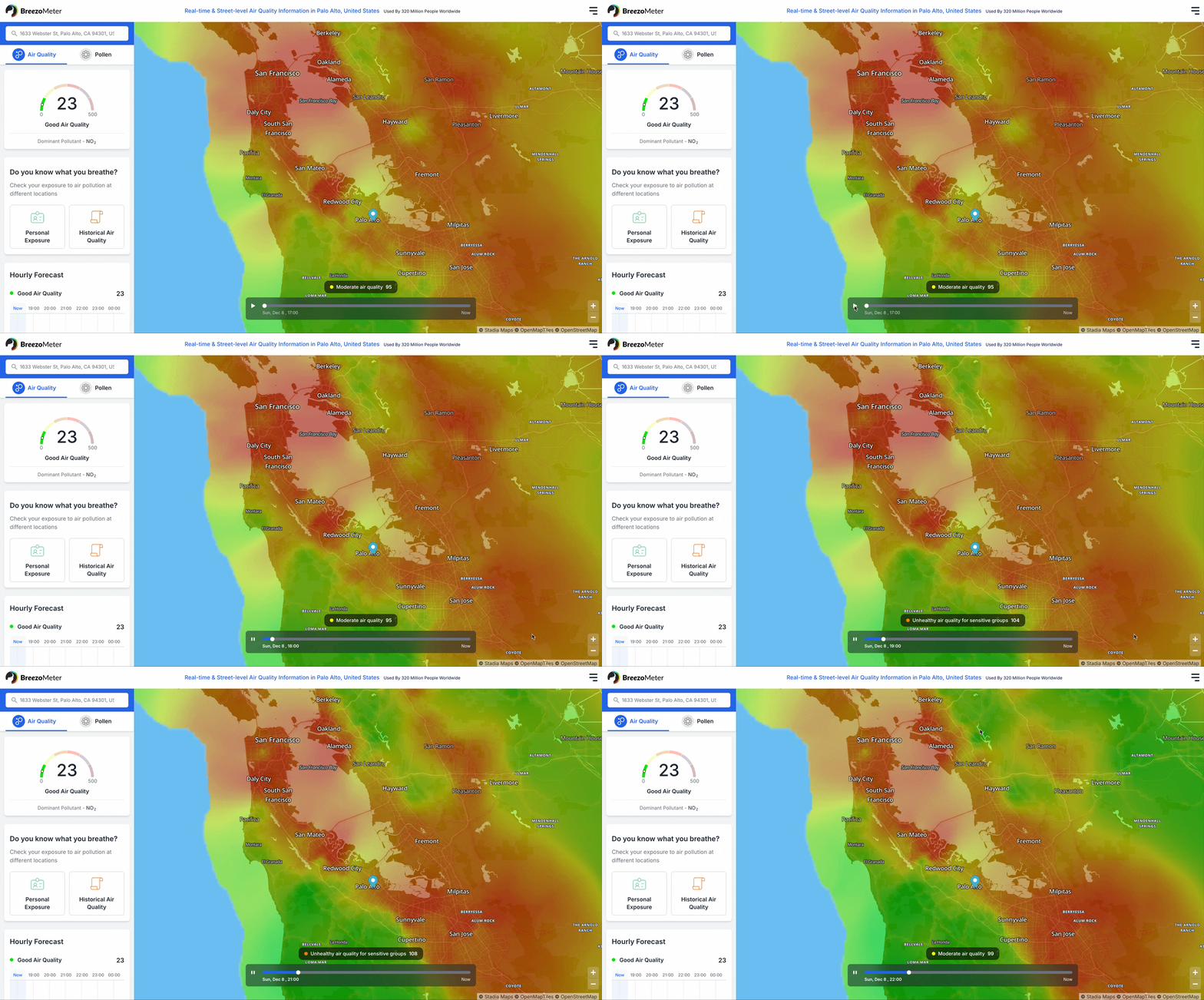 Breezometer deprecated Desktop Web-App
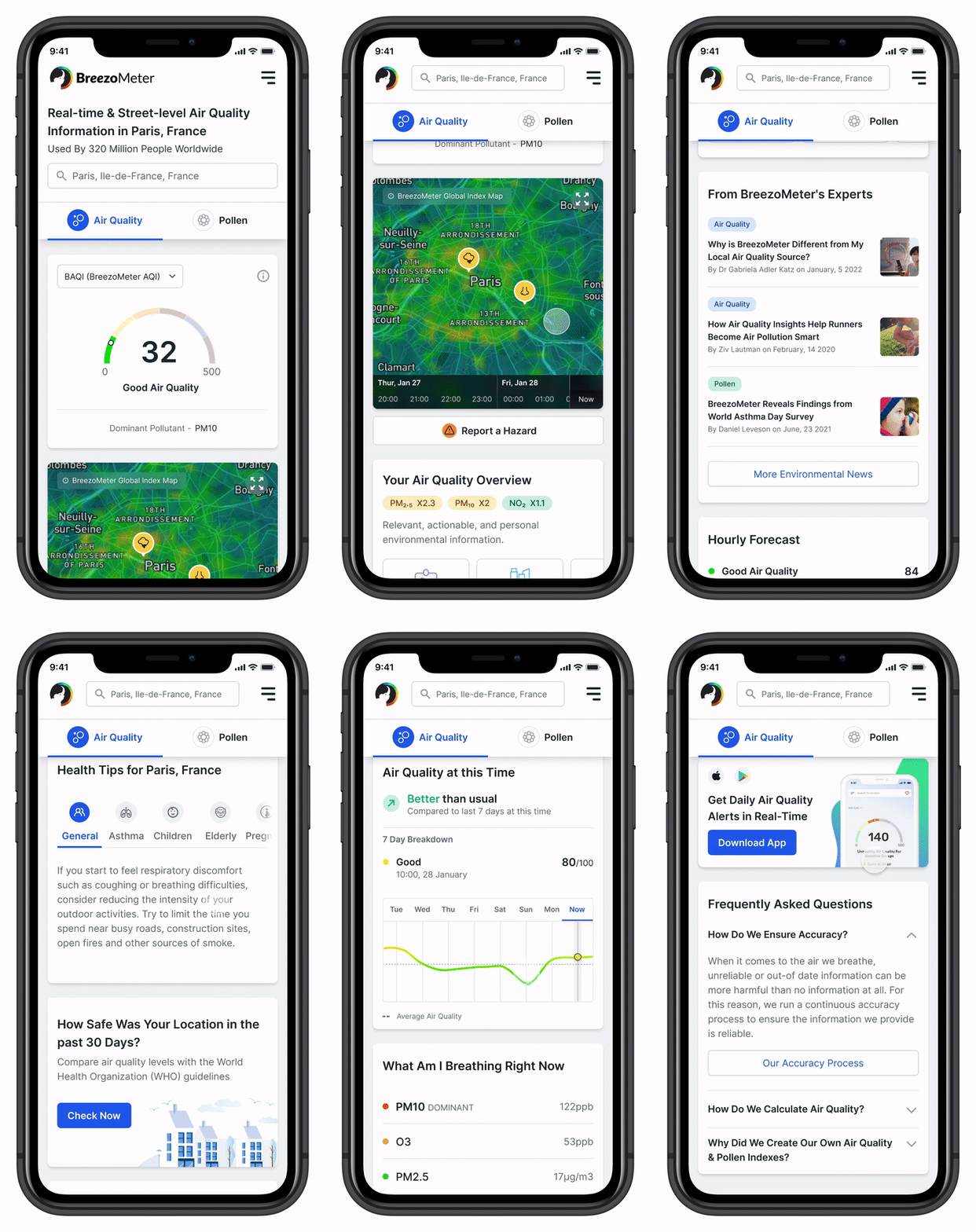 Breezometer deprecated Mobile Web-App
The product team decided to initiate a comprehensive redesign with the primary objective of evolving the B2C website into a more engaging and "sticky" experience.
Following a qualitative UX research phase and a professional UX diagnosis, it was concluded that the interface presented a problem of information density. While the data provided was world-class, the existing interface overwhelmed users at first glance with multiple CTA buttons, tabs, map controls, and information that created significant cognitive load.
It was determined that a more seamless user journey was required, particularly for the high volume of visitors arriving via the Apple Weather attribution link, to ensure they could easily navigate, return to the site, and digest complex information without confusion.
The challenge lay in making environmental health data understandable and interactive to protect and help the public. The platform required a user-centered approach to provide data visualization that met the needs of both occasional visitors and daily power users. Key questions addressed during the process included:
The redesign was aimed to evolve the B2C platform into a more engaging and "sticky" experience.
This transformation was anchored in several strategic pillars intended to refine industry standards and elevate the user experience.
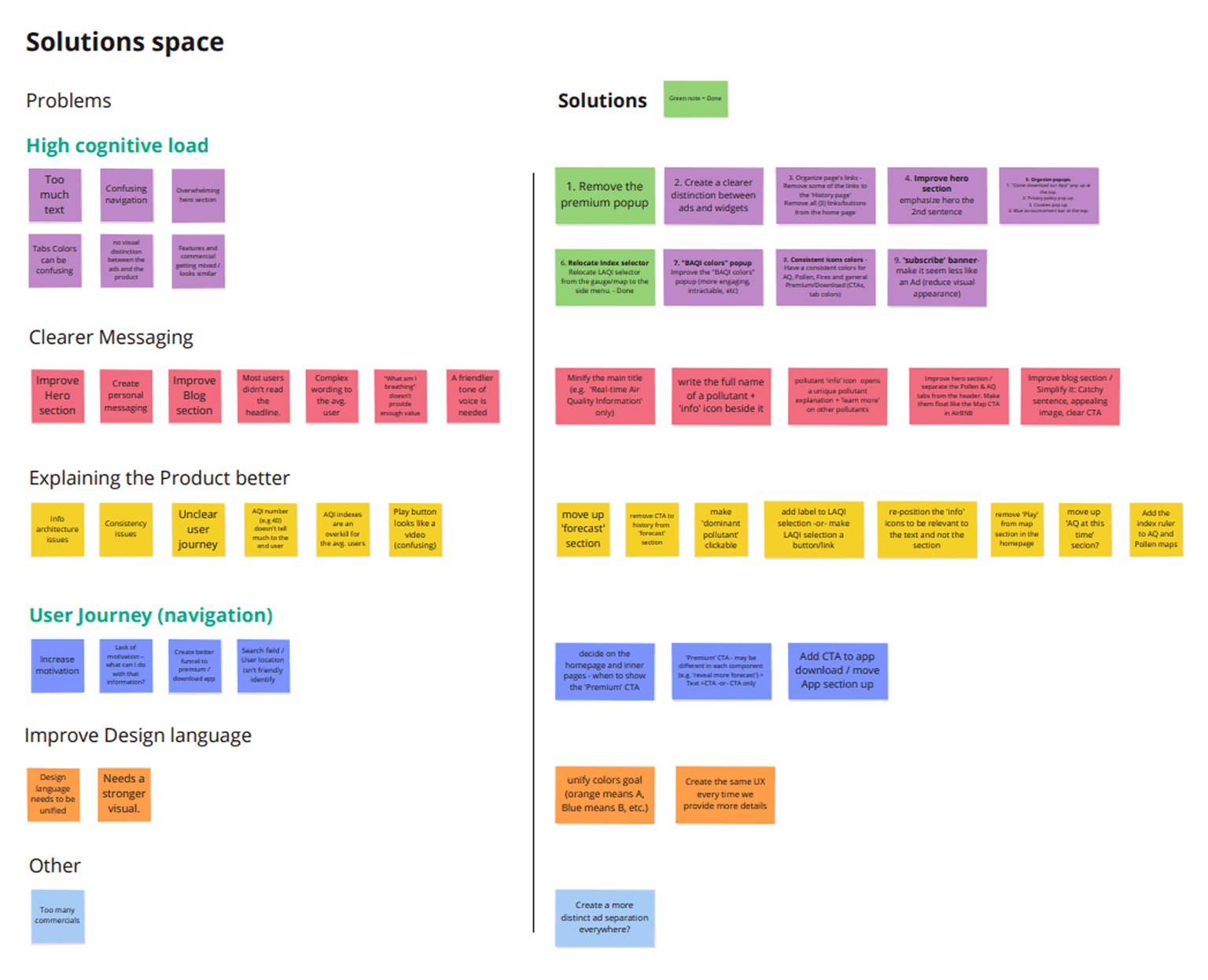 Solution Space
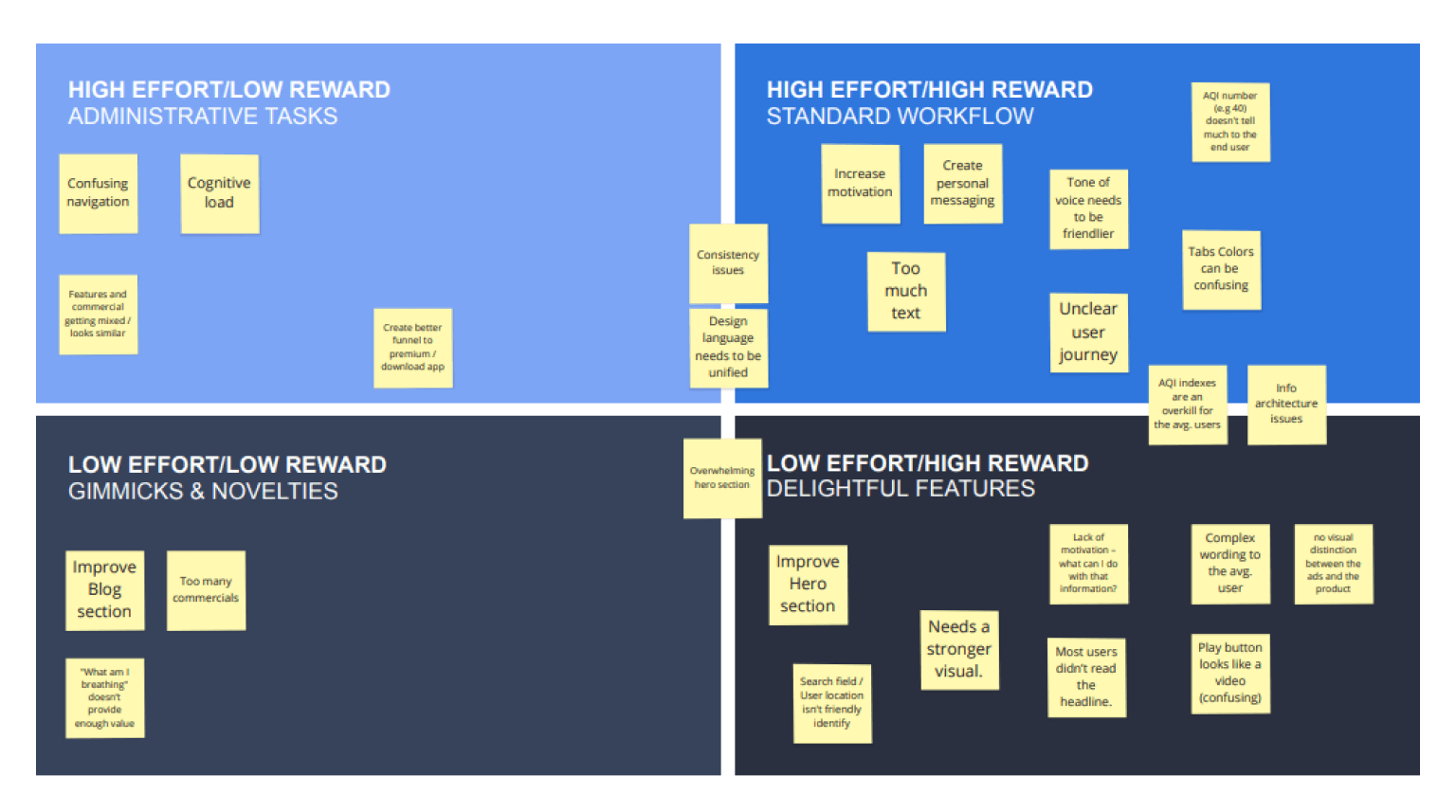 Impact-Effort Prioritization Matrix
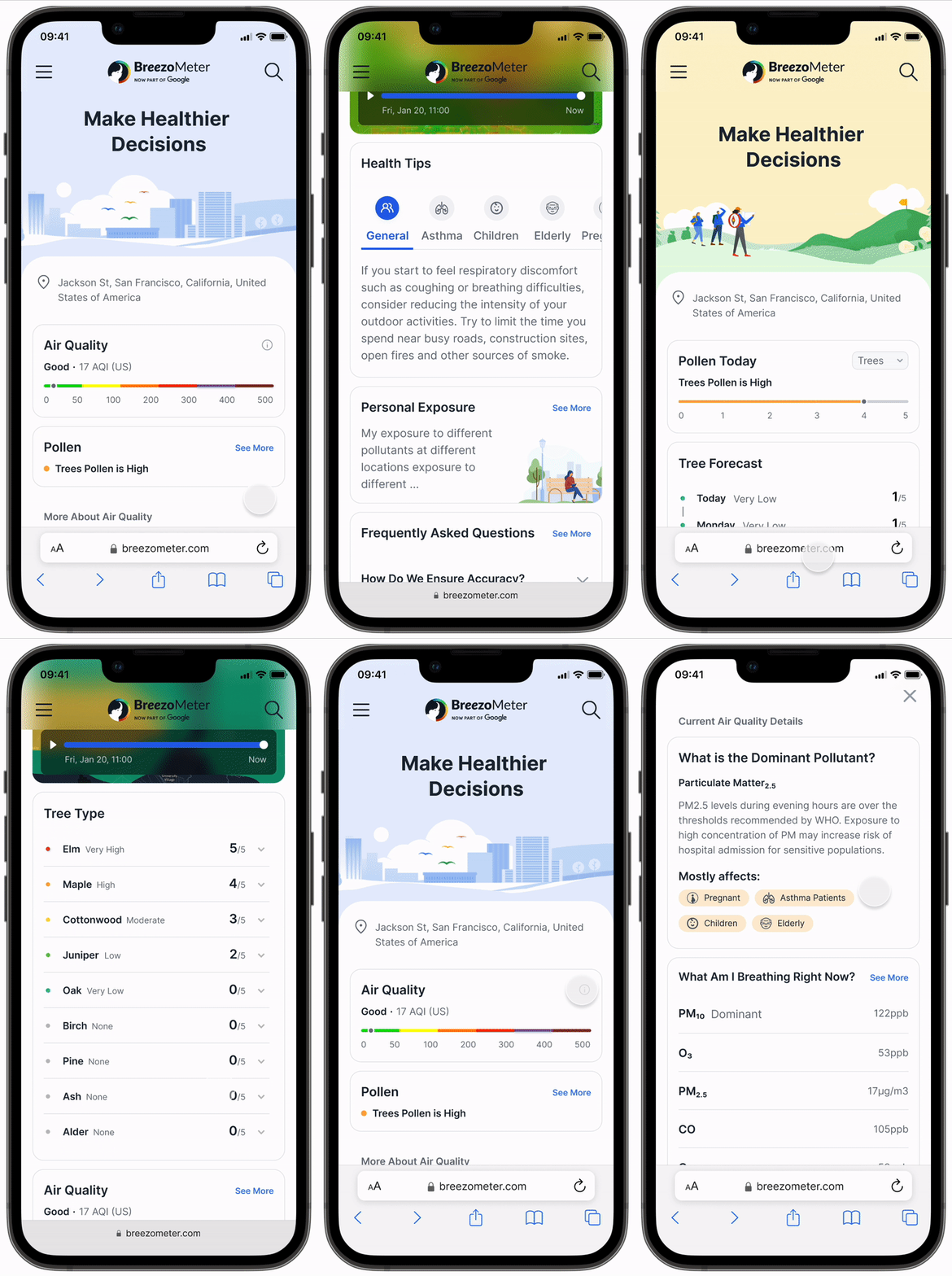
The problem of "information overload" was addressed by prioritizing the most valuable features: the Location, the Air Quality Gauge, and the Map. By reducing the volume of text and competing calls-to-action, an intuitive navigation experience was created.
Here are some of the Key UX Updates:
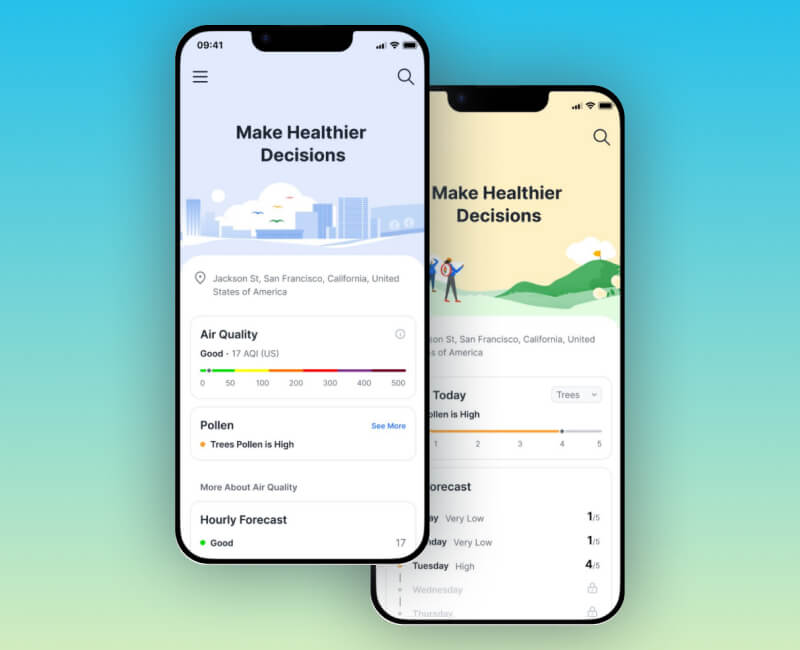
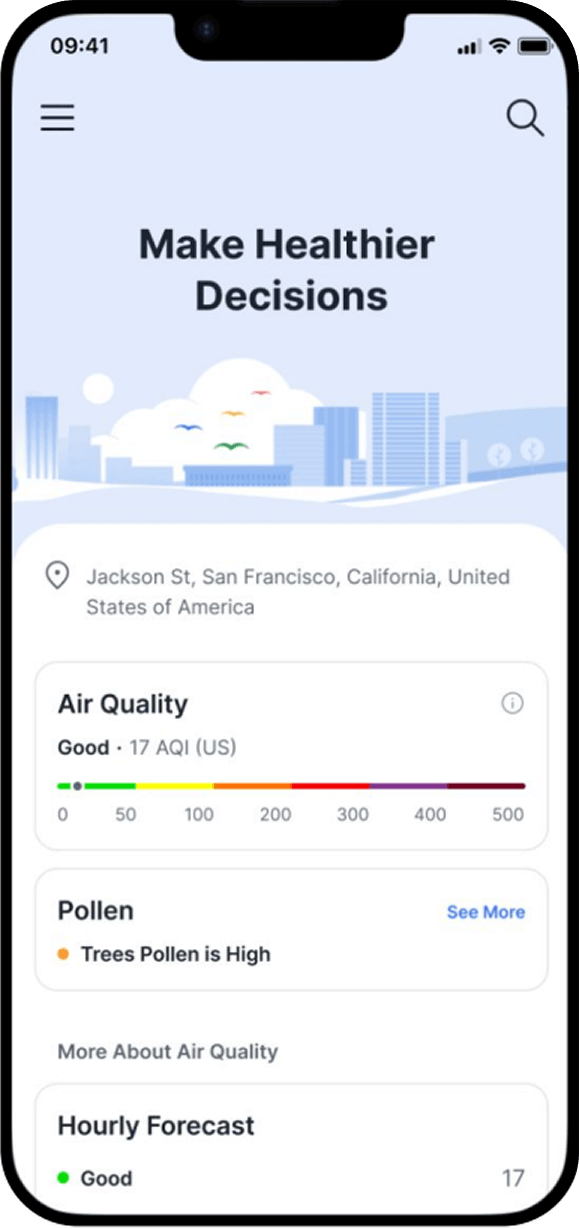 Air Quality mockup redesign
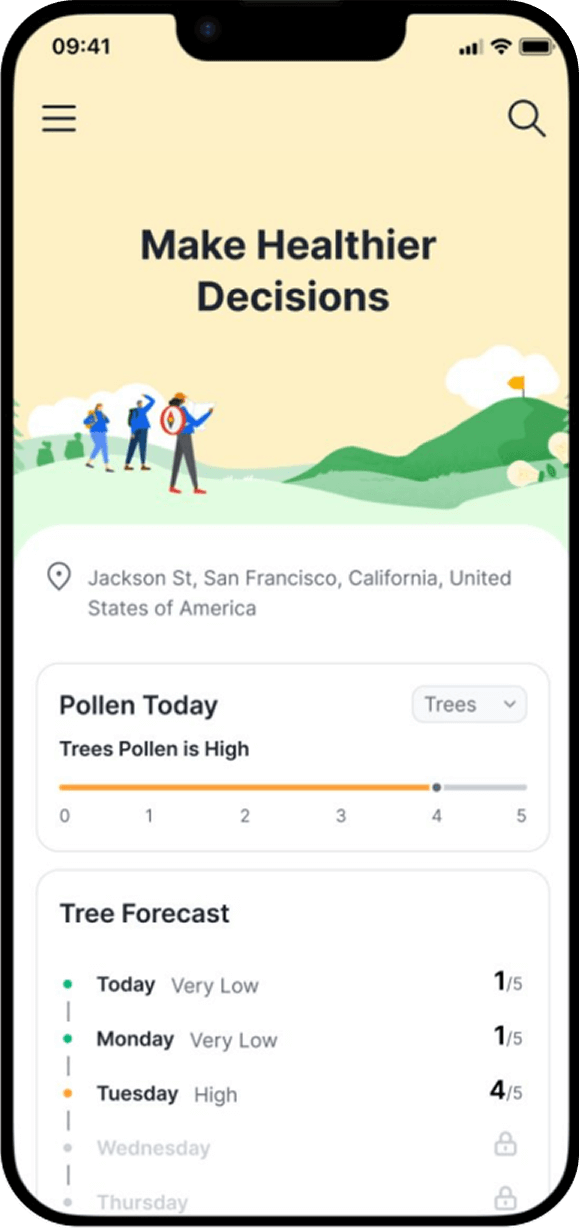 Pollen mockup redesign
Breezometer Mobile Web-App Redesign Prototype
Pollen mockup redesign
Breezometer Mobile Web-App Redesign Prototype
Discover additional case studies